
The Revolution of Smart Cities: The Role of Technology in the Urban Transformation of the Future
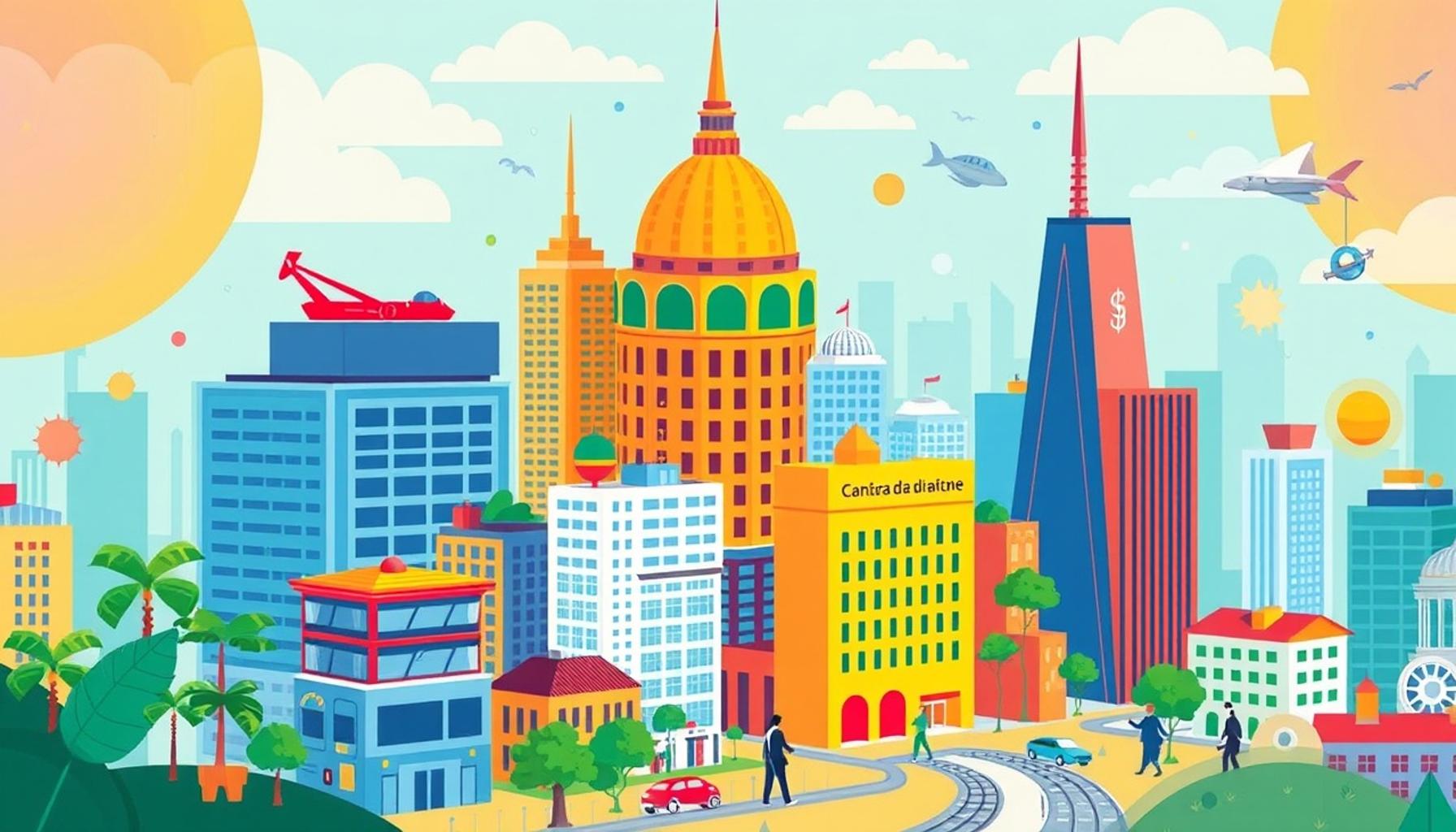
Understanding Smart Cities: A New Era in Urban Living
The idea of smart cities has gained immense traction in recent years, especially as urban populations continue to rise. With more people moving to cities for work and lifestyle opportunities, it’s vital to integrate technology into urban infrastructure effectively. Smart cities are designed to use technology not just as a convenience, but as a vital component in improving the overall quality of life for their inhabitants.
Technological Foundations of Smart Cities
At the heart of smart cities are a variety of cutting-edge technologies that work together seamlessly. Some key elements include:
- IoT Devices: The Internet of Things (IoT) refers to the network of physical devices, vehicles, buildings, and other items embedded with sensors and software that connect and exchange data. For instance, smart traffic lights that adjust their cycles based on real-time traffic flow help alleviate congestion, reducing both stress for drivers and air pollution.
- Data Analytics: Smart cities rely on sophisticated data analytics to transform raw data into actionable insights. By analyzing traffic patterns, city planners can determine where to build new roads or bike lanes, ultimately enhancing urban mobility and accessibility.
- Renewable Energy: Incorporating renewable sources like solar panels and wind turbines not only reduces reliance on fossil fuels but also promotes sustainability. Cities are increasingly installing solar panels on rooftops and utilizing wind farms, leading to greener energy solutions that benefit the environment.
Benefits of Smart Technologies in Urban Life
As the population in urban areas grows, the introduction of smart technologies proves essential in transforming how cities operate. These advancements bring numerous advantages, which include:
- Increased Efficiency: By utilizing smart technologies, cities can minimize waste and optimize resource use. For example, smart waste bins equipped with sensors that signal when they are full can enhance waste collection efficiency, reducing unnecessary trips and conserving fuel.
- Improved Mobility: Intelligent transportation systems controlled by real-time data help manage traffic flow and encourage the use of public transport. Cities like San Francisco are implementing bike-share programs and ride-sharing partnerships to provide residents with flexible travel options.
- Enhanced Public Safety: Integrating real-time monitoring systems, such as surveillance cameras and emergency response technologies, improves public safety. For example, cities can use predictive analytics to identify crime hotspots, allowing law enforcement to allocate resources more effectively.
Embracing the Future of Urban Development
Exploring the concept of smart cities reveals the crucial role technology plays in modern urban transformation. Cities that embrace these innovative solutions not only enhance the day-to-day lives of residents but also work towards greater sustainability and economic growth. By investing in and developing smart city infrastructures, we can create more livable, efficient, and environmentally friendly urban environments for future generations.
DIVE DEEPER: Click here to discover the essential skills for the digital age
Transforming Urban Infrastructure through Technology
The revolution of smart cities is fundamentally altering the way urban infrastructure is designed and operated. As cities evolve, embracing technology is essential to meet the demands of increased population density and the complexities that accompany urban living. A robust technological framework is pivotal in optimizing city functions, enhancing sustainability, and facilitating economic growth.
The Role of Fintech in Urban Development
One significant aspect of smart cities involves the integration of financial technology, commonly known as fintech. Fintech solutions help streamline urban financial transactions and enhance funding for city projects. For example:
- Smart Payment Systems: Digital payment systems can facilitate seamless transactions for public transportation and utilities. By implementing contactless payments and mobile apps, cities can reduce wait times and improve user experience.
- Blockchain Technology: Blockchain can enhance transparency in municipal spending. By utilizing this technology for tracking public contracts and spending, cities can foster trust among residents, ensuring their tax dollars are spent efficiently.
- Crowdfunding for Urban Projects: Engaging citizens in funding community initiatives through crowdfunding platforms can empower residents. This approach allows citizens to allocate resources toward projects that matter to them, enhancing civic participation and ownership in urban development.
Smart Infrastructure: The Backbone of Urban Innovation
The backbone of any smart city lies in its infrastructure. Traditional infrastructures are often limited in their ability to accommodate modern connectivity needs, while smart infrastructures leverage advanced technologies. For instance:
- Smart Grids: Electric grids upgraded to smart technology can monitor and manage energy usage in real-time. This reduces energy waste and allows for the integration of renewable energy sources, resulting in a more sustainable energy future.
- Connected Buildings: Buildings equipped with IoT devices can optimize energy consumption based on occupancy and usage patterns. For example, smart thermostats learn a building’s heating and cooling needs, resulting in significant energy savings and cost reductions.
- Smart Roads: Roads embedded with sensors and communication technology can provide real-time updates about traffic conditions, routing alternatives, and even feedback to drivers about upcoming hazards. This can ultimately lead to safer and more efficient travel experiences.
In sum, the integration of fintech and smart infrastructure technologies forms the foundation of smart cities. By harnessing these advancements, urban planners can address pressing challenges that come with rapid urbanization, ensuring that cities are not only more efficient but also more resilient and adaptable to the needs of their residents. The transformation of urban environments through technology is not just about convenience; it represents a strategic response to create sustainable, thriving cities for future generations.
DISCOVER MORE: Click here to learn about the future of retail
Enhancing Quality of Life through Technology
The transformation of cities into smart ecosystems is not only about integrating advanced technologies into infrastructure but also about significantly improving the overall quality of life for residents. Smart city initiatives focus on making urban living more sustainable, efficient, and enjoyable while addressing challenges such as pollution, traffic congestion, and public safety.
Smart Public Services
One of the key components of smart cities is the enhancement of public services. Through technology, municipalities can provide services that are not only more efficient but also responsive to the needs of citizens. Here are some examples:
- Smart Waste Management: Utilizing sensors inside waste bins can provide real-time data on fill levels, allowing for optimized collection routes and schedules. This reduces fuel consumption and operational costs while keeping city streets clean.
- Digital Health Services: Telehealth platforms and mobile health applications enable residents to access healthcare services remotely. This is particularly beneficial in densely populated urban areas where traveling to a medical facility can be time-consuming.
- Online Civic Engagement Platforms: Many cities are developing digital platforms that allow residents to report issues, track city projects, and participate in local decision-making. This fosters a sense of community and encourages civic involvement in urban governance.
Smart Mobility Solutions
Transportation is often the lifeblood of urban life, and smart mobility solutions are essential to reduce congestion and emissions. Technologies that support smart mobility include:
- Intelligent Transportation Systems (ITS): Cities are implementing ITS to improve traffic flow and reduce congestion. These systems use data from traffic cameras and sensors to provide real-time information on traffic conditions, making it easier for drivers to reroute and save time.
- Shared Mobility Services: App-based ride-sharing, bike-sharing, and e-scooter services provide residents with flexible transportation options. These services contribute to reduced reliance on personal vehicles and lower carbon footprints.
- Autonomous Vehicles: As testing of self-driving cars expands, urban areas are considering how to integrate them into existing transportation networks. Autonomous vehicles can potentially reduce accidents and offer convenient transport solutions, especially for those unable to drive.
Environmental Sustainability through Technology
Smart cities place a strong emphasis on environmental sustainability. Technology plays a pivotal role in fostering greener urban spaces. Some notable applications include:
- Smart Water Management: Smart meters and sensors can monitor water usage in real-time, enabling cities to detect leaks quickly and educate residents about water conservation practices.
- Green Energy Solutions: Cities are increasingly investing in solar and wind energy sources, supplemented by smart technologies that optimize renewable energy usage. Integrating these energy solutions contributes to lower carbon emissions and enhances energy independence.
- Air Quality Monitoring: Smart sensors distributed throughout urban areas can monitor air quality levels and identify pollution hotspots. This information can be crucial for policymakers aiming to improve public health and guide urban planning solutions.
Through the adoption of smart public services, mobility solutions, and environmentally sustainable practices, cities are making strides toward creating a more livable and harmonious environment for residents. This technological evolution aims not just to solve current urban challenges but to proactively prepare for future demands. As these initiatives continue to grow, the potential for achieving a greater balance between progress and quality of life becomes increasingly attainable.
DISCOVER MORE: Click here to learn about smart city innovations
Looking Ahead: Embracing the Future of Smart Cities
The journey toward creating smart cities is an exciting and transformative endeavor. Technology is reshaping urban landscapes, enabling cities to address long-standing challenges while enhancing the quality of life for their residents. With innovations such as smart public services and intelligent mobility solutions, urban centers are becoming more responsive and adaptive to the needs of their communities. These advancements not only reduce inefficiencies but also embed sustainability into the fabric of city life.
As we look toward the future, it is essential to recognize that the success of smart cities relies on the collaboration between government, technology providers, and engaged citizens. The integration of green energy solutions and advanced data analytics is paving the way for more environmentally friendly urban environments, capable of nurturing growth and innovation while caring for our planet. Moreover, the emphasis on inclusive civic engagement ensures that all voices are heard in the decision-making process, fostering a sense of community ownership.
In conclusion, the revolution of smart cities is not just about the deployment of technology; it is about envisioning a better urban life for everyone. As cities continue to evolve, embracing technology ethically and responsibly will be key to their success. By championing innovation while remaining attuned to the needs of residents, we can create urban spaces that are not only smart but also thriving, equitable, and sustainable for generations to come.

Linda Carter
Linda Carter is a writer and expert known for producing clear, engaging, and easy-to-understand content. With extensive experience in guiding people toward their goals, she shares valuable insights and practical advice. Her mission is to help readers make informed choices and achieve meaningful progress.