The Revolution of Smart Cities: How Technology is Transforming Urban Infrastructure
Overview of Smart City Components
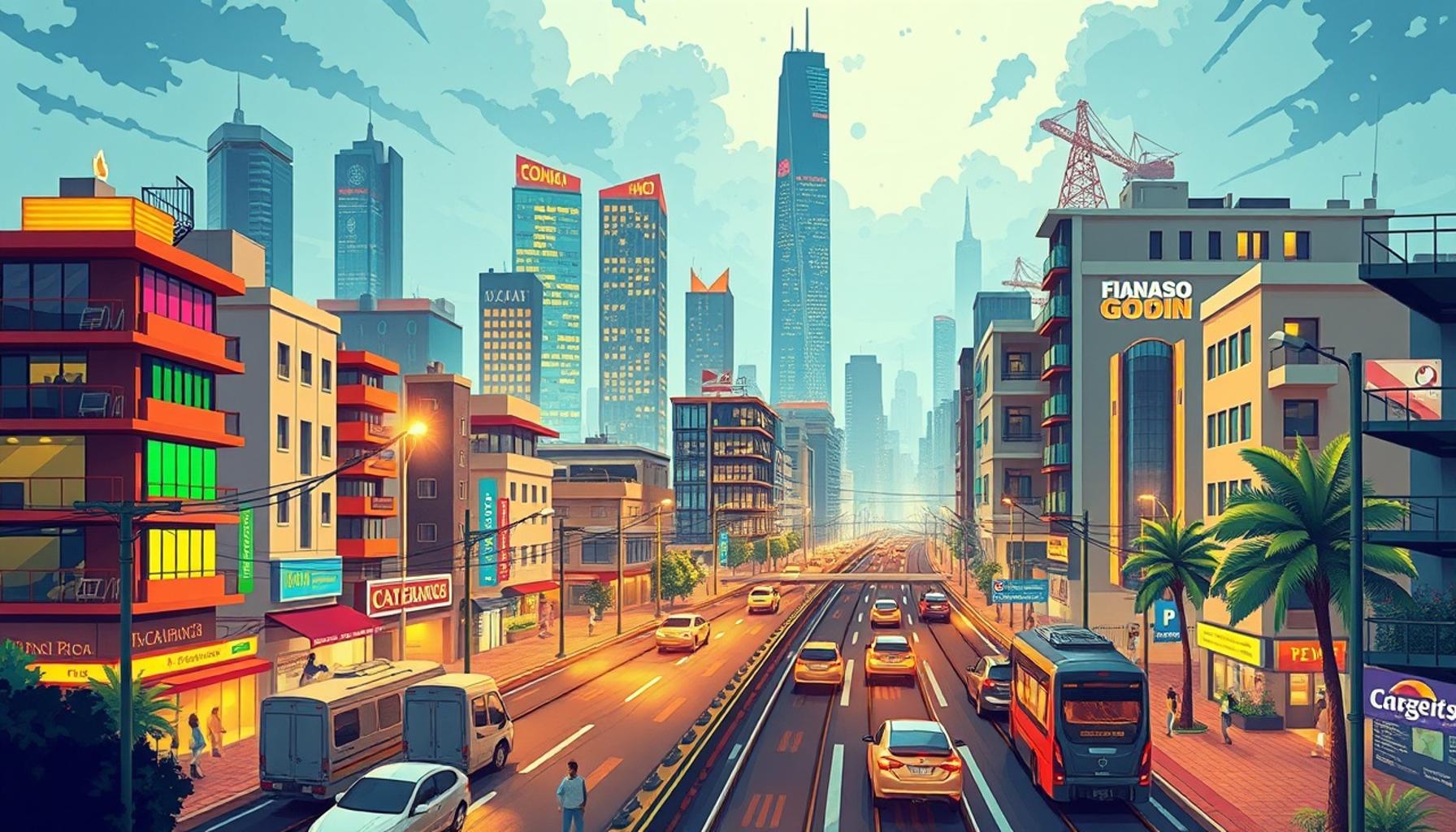
Urban areas are witnessing a significant transformation, largely fueled by the integration of advanced technologies into their infrastructure. Smart cities are becoming a beacon of progress, fundamentally altering how we live, work, and connect with one another in our communities. With the help of a myriad of digital tools and sophisticated data analysis, these cities aim to enhance the overall quality of life for their residents, navigating challenges such as population growth, energy efficiency, and public safety.
Key Components of Smart Cities
As cities strive to evolve, several key components stand out as catalysts for this transformation:
- IoT Devices: The Internet of Things (IoT) plays a pivotal role in monitoring various aspects of urban life. For instance, sensors embedded in streetlights can adjust brightness based on surrounding activity, leading to energy savings. Additionally, smart waste bins can signal when they require collection, optimizing waste management routes and reducing operational costs.
- Smart Transportation: Advances in transportation infrastructure are crucial for tackling urban congestion. For instance, cities like Los Angeles have introduced real-time public transit apps that allow commuters to track buses and trains, reducing wait times and improving the overall commuting experience. Furthermore, integrated traffic management systems can alleviate congestion by adjusting traffic signal timing based on live traffic data.
- Data Analytics: City planners are harnessing big data to inform their decisions. By analyzing patterns in housing, transportation usage, and public amenities, planners can predict future needs and allocate resources more effectively. For example, New York City uses data analytics to identify areas requiring additional public services, such as parks or community centers, ensuring equitable access for all residents.
Benefits for Residents
As cities implement these transformative technologies, numerous benefits quickly become apparent, significantly improving residents’ daily lives:
- Increased Efficiency: Optimized resource management results in not just cost savings for city budgets but also for residents. For instance, smart energy grids can reduce electricity bills by only using energy when it’s most cost-effective.
- Improved Safety: Deploying smart surveillance and emergency response systems can dramatically enhance public safety. For example, Chicago has integrated smart cameras that allow law enforcement to monitor high-crime areas in real-time, facilitating quicker response times and safer neighborhoods.
- Environmental Sustainability: The adoption of green technologies, such as solar panels on public buildings and electric vehicle charging stations, fosters eco-friendly living practices. Cities like San Diego are leading the charge with initiatives that promote the use of renewable energy and reduce greenhouse gas emissions.
This technological revolution transcends mere gadgetry; it is about establishing a livable, interconnected environment that prioritizes the needs of its residents. By understanding how these innovations are being operationalized, we gain a clearer vision of how our urban landscapes will evolve in the future.
DISCOVER MORE: Click here to learn about the impact of digital transformation
Enhancing Urban Life Through Technology
The evolution of smart cities is redefining urban living by leveraging technology to create a more efficient, sustainable, and enjoyable environment for residents. As cities around the United States increasingly adopt smart technologies, it is essential to explore how these advancements touch all aspects of urban life.
Integrating Smart Technologies
The integration of cutting-edge technology is evident in various areas of urban infrastructure. Here are a few notable examples:
- Smart Public Services: Modern cities are implementing online platforms that enable residents to access services with just a few clicks. For instance, Philadelphia’s online portal allows citizens to pay bills, schedule waste collection, and report issues like potholes or streetlights needing repair. This not only streamlines city operations but also encourages public engagement.
- Connected Health Initiatives: The wellbeing of citizens is a priority for smart cities. Health-related technologies, such as telemedicine and connected health monitoring devices, enable individuals to access healthcare services easily. In cities like San Francisco, mobile health apps help track public health trends, facilitating better responses to health crises.
- Smart Water Management: Water scarcity is a pressing issue in many urban areas, and smart technologies are stepping up to address this challenge. Cities like Los Angeles are employing smart water meters that provide real-time data on water consumption. These meters help residents conserve water, identify leaks, and ultimately contribute to a more sustainable water supply.
Transforming Energy Usage
Energy consumption is a vital aspect of urban life that smart technologies are drastically improving. Here are some significant advancements:
- Smart Grids: Cities are investing in smart grids that improve electricity distribution and consumption management. By utilizing real-time data, smart grids can anticipate consumer needs and adjust energy flow accordingly, leading to a more reliable and efficient energy supply. For example, Austin, Texas, is implementing smart grids that enhance renewable energy integration, making it easier to use solar and wind energy effectively.
- Energy-Efficient Buildings: The construction of smart buildings equipped with sensors and automated systems maximizes energy efficiency. For instance, San Diego has seen a rise in buildings that utilize smart heating and cooling systems to reduce energy wastage. These innovations not only lower utility costs but also support broader sustainability goals.
- Renewable Energy Initiatives: Smart cities are prioritizing the development of renewable energy sources. Initiatives like installing solar panels on public buildings and promoting community solar gardens not only reduce the reliance on fossil fuels but also empower residents to participate in local energy efforts.
The integration of these technologies into city infrastructure represents a transformative shift in how urban life is experienced. By fostering efficiency, sustainability, and accessibility, smart cities are not just responding to challenges; they are proactively shaping a future that benefits all citizens.
DISCOVER MORE: Click here for tips on getting clothes from Shein
Innovative Solutions for Transportation and Mobility
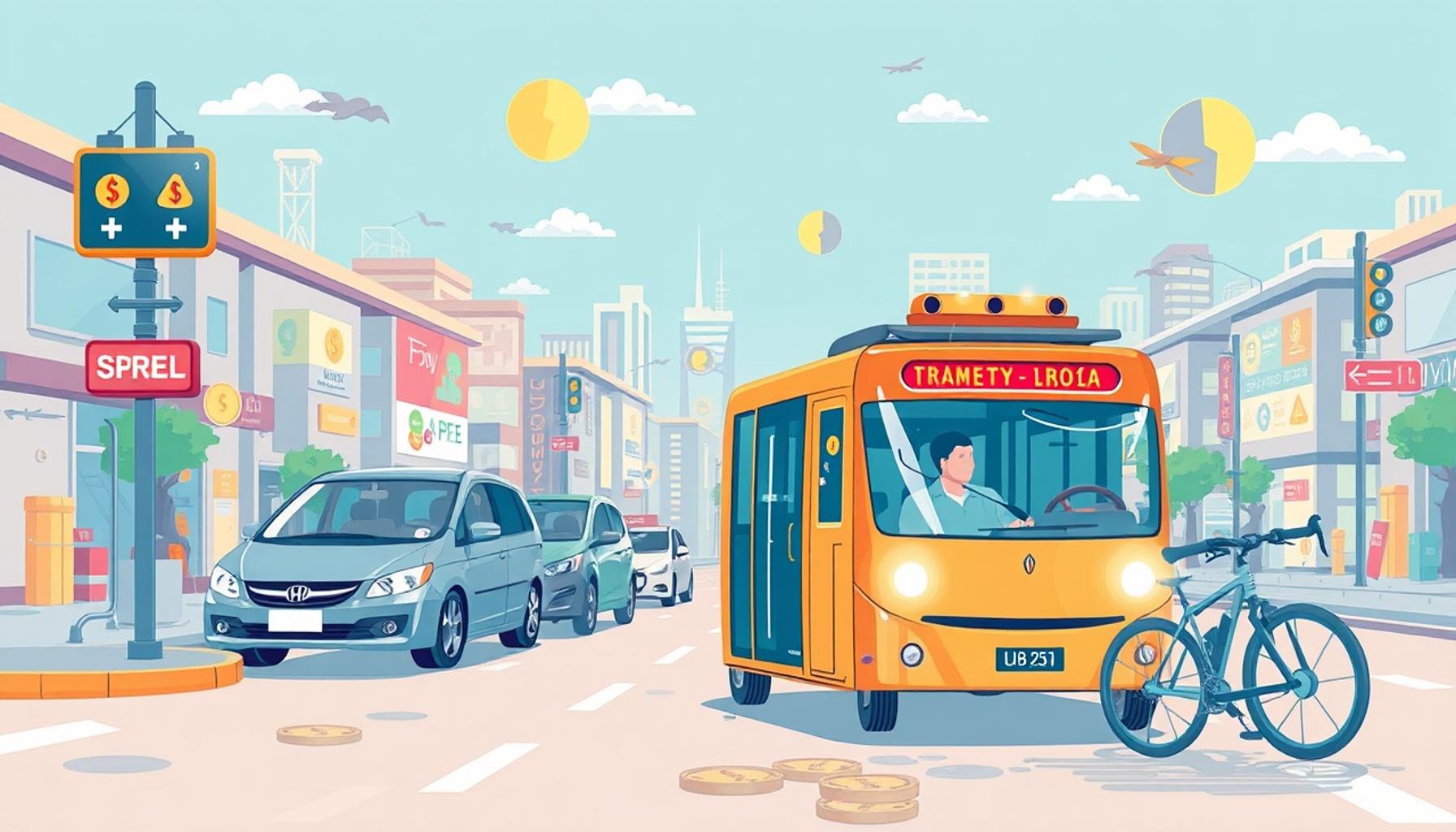
Transportation is a fundamental aspect of urban living, and the advent of smart city technologies is revolutionizing how residents navigate their environments. By embracing innovative solutions, cities are working to alleviate congestion, enhance safety, and promote sustainable transportation choices.
Smart Traffic Management
One of the most impactful advancements in smart city infrastructure is the development of smart traffic management systems. These systems use advanced sensors and data analytics to monitor traffic flow in real time. For example, cities like Boston are deploying smart traffic lights that adapt their timing based on actual traffic conditions, reducing congestion and minimizing travel times for drivers. This responsive system ensures that intersections remain fluid, improving overall urban mobility.
Public Transportation Enhancement
Public transportation is also experiencing transformation through technology. Many cities are integrating mobile apps that provide real-time updates on bus and train schedules, allowing commuters to plan their journeys more efficiently. In Chicago, the “Chicago Transit Authority” has launched an app that not only offers schedule updates but also allows users to purchase tickets seamlessly, enhancing the overall experience of using public transit.
Encouraging Active Transportation
To promote healthier living and reduce carbon footprints, smart cities are also investing in infrastructure that supports active transportation methods, such as biking and walking. For instance, New York City has expanded its network of bike lanes and introduced bike-sharing programs that are accessible through smartphone apps. This initiative encourages residents to choose cycling as a viable alternative to driving, contributing to a greener environment and improved public health.
Mobility-as-a-Service (MaaS)
The concept of Mobility-as-a-Service (MaaS) is gaining traction in smart cities, merging various transportation services into a single accessible platform. For example, cities like Seattle are exploring MaaS applications that allow users to plan multi-modal trips using rideshare, public transit, and bike rentals through one unified app. This comprehensive approach simplifies travel, making it more convenient for residents to explore their cities without relying on personal vehicles.
Autonomous Vehicle Integration
The integration of autonomous vehicles into urban landscapes poses exciting possibilities for the future of transportation. Many cities, including San Francisco, are conducting pilot programs for self-driving shuttles. These vehicles promise to reduce traffic congestion and make transportation more accessible for all citizens, particularly those who lack traditional mobility options. As technology progresses, the potential for autonomous vehicles to be integrated into the public transit system could signify a major shift in urban commuting.
The innovations in transportation and mobility are central to the vision of smart cities. By harnessing technology to improve traffic management, enhance public transport, and promote sustainable options, urban areas are moving toward a future where transportation is more efficient, accessible, and environmentally friendly. These advancements not only create a more integrated urban fabric but also elevate the quality of life for all city dwellers.
DISCOVER MORE: Click here to learn about AI’s role in the upcoming elections</p
Conclusion
The emergence of smart cities is a compelling reflection of how technology can fundamentally reshape urban infrastructure. As we’ve explored, technology fosters remarkable advancements in various sectors, from transportation to energy management, significantly impacting daily life for city inhabitants. By implementing intelligent systems such as adaptive traffic lights, real-time public transit updates, and enhanced pedestrian networks, cities are actively addressing longstanding challenges like congestion and pollution.
Moreover, the concept of Mobility-as-a-Service and the integration of autonomous vehicles represent a forward-thinking approach to urban transit, moving away from personal vehicle dependency toward more sustainable transportation solutions. As seen in cities across the United States, these innovations pave the way for a cleaner, more efficient urban environment that prioritizes accessibility and user experience.
However, it is crucial to consider that the journey toward fully realizing smart cities is not solely about technological prowess. As urban areas evolve, it is vital to involve all stakeholders, including residents, in conversations around these transformations. Ensuring that the benefits of smart cities are equitably shared is essential for creating inclusive urban communities. As we look ahead, the revolution of smart cities holds the promise of transforming not only how we navigate our environments but also how we connect, interact, and thrive in urban spaces. By embracing this change with open arms and critical minds, we can truly harness the potential of technology to enhance the quality of life in our cities.

Linda Carter
Linda Carter is a writer and expert known for producing clear, engaging, and easy-to-understand content. With extensive experience in guiding people toward their goals, she shares valuable insights and practical advice. Her mission is to help readers make informed choices and achieve meaningful progress.