
The impact of artificial intelligence on the 2024 elections in the United States
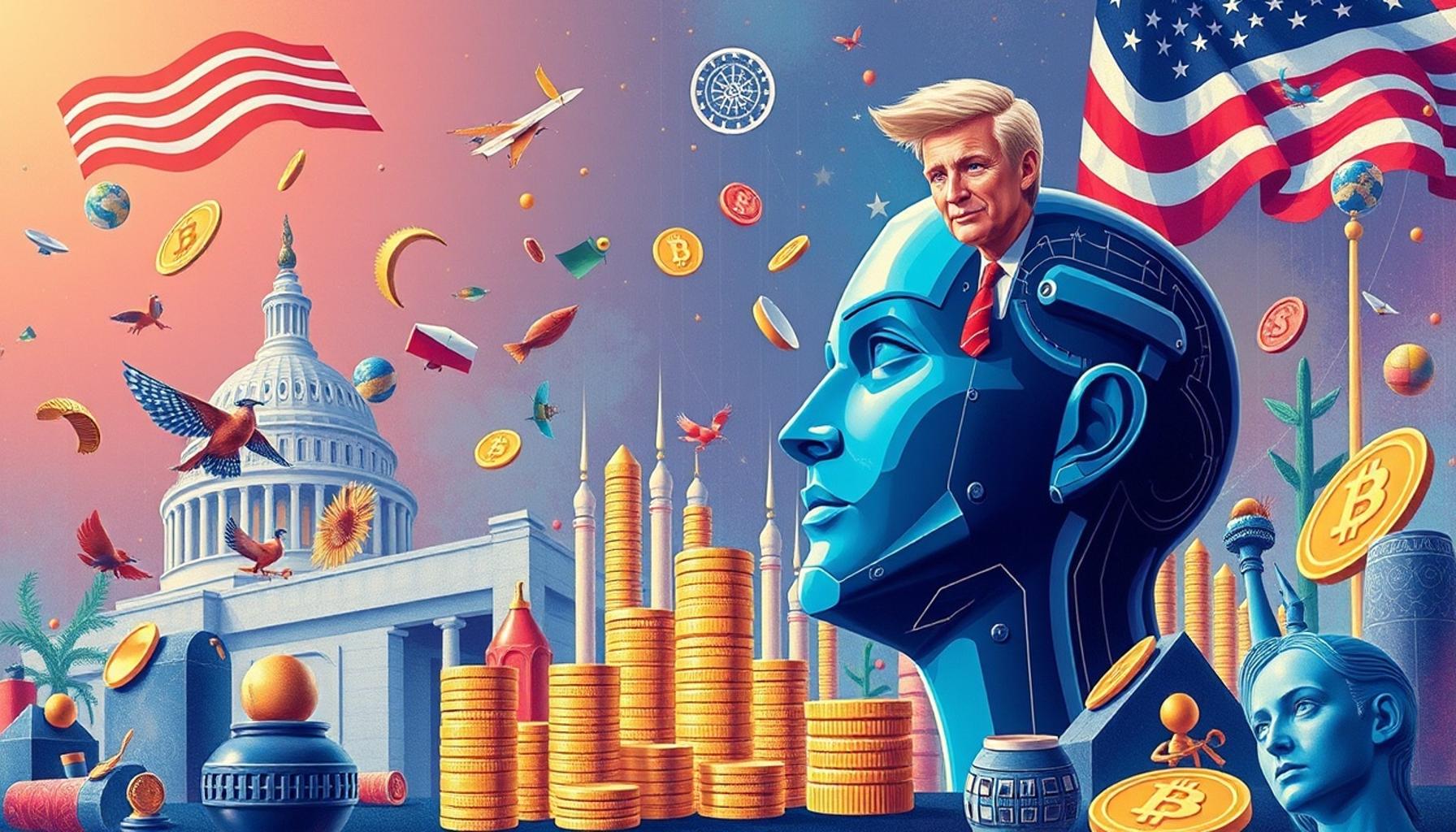
Exploring the Effects of AI on the 2024 Elections
The integration of artificial intelligence (AI) into various aspects of society is becoming increasingly prevalent. As the 2024 elections in the United States approach, the effects of AI on electoral processes are shaping up to be profound. Understanding these impacts is essential for voters and political analysts alike.
Key Areas Where AI is Influencing Elections
AI is making strides in several key areas that are vital to the electoral process:
- Voter Engagement: AI-driven chatbots and personalized messaging can enhance communication between campaigns and constituents. For example, campaigns can employ chatbots to answer voters’ questions about polling locations, candidate positions, and voting procedures around the clock. This not only saves time and reduces the workload for campaign staff but also ensures that voters feel acknowledged and informed, thus increasing overall engagement. Personalized messaging can further engage specific demographics by tailoring political messages based on individual voter interests, making communications feel more relevant and relatable.
- Data Analysis: AI algorithms can process vast amounts of voter data, helping campaigns tailor their strategies more effectively. By analyzing patterns from previous elections, demographic data, and even social media interactions, campaigns can identify key voter issues and preferences. For instance, in states where climate change is a crucial concern, an AI-driven strategy might prioritize environmental policies in outreach efforts, aiming to connect with voters who value sustainability. Furthermore, predictive analytics powered by AI can forecast voter turnout, helping campaigns allocate resources more strategically.
- Social Media Dynamics: AI tools are increasingly used to analyze sentiments and shape narratives on platforms that are pivotal to public opinion. Campaigns utilize AI to sift through millions of social media posts to gauge voter sentiment, detect trending topics, and counteract misinformation in real-time. For example, if a false claim about a candidate emerges on social media, AI tools can rapidly identify the spread and help campaigns react promptly with fact-checked information, thereby safeguarding their public image and maintaining voter trust.
The Ethical Implications of AI in Elections
The ethical implications surrounding AI in elections cannot be ignored. Issues such as misinformation and privacy concerns are also at the forefront of discussions. For instance, while AI can help campaigns engage voters better, it can also be misused to manipulate voter sentiment through targeted misinformation campaigns. This kind of unethical behavior can undermine the democratic process and erode public trust in political institutions.
Privacy concerns arise when it comes to the extensive data collection required for AI algorithms to function effectively. Voters may not be fully aware of how their data is being used or shared, leading to potential violations of their personal privacy. Ensuring that technology enhances democratic processes without compromising integrity is crucial for maintaining voter confidence.
Conclusion
The evolving landscape of AI may alter not only how campaigns are run but also how voters engage. As we move closer to the 2024 elections, these technologies will continue to shape our electoral experience. By examining these dynamics, we can better comprehend the future of democracy in the United States, fostering informed discussions about the role of technology in political processes and its implications for civic engagement.
DISCOVER MORE: Click here for tips on getting clothes from Shein
Transforming Campaign Strategies with AI
As political campaigns for the 2024 elections ramp up, the integration of artificial intelligence (AI) is proving to be a game-changer. Both Republican and Democratic parties are leveraging AI technology to create innovative strategies that address the dynamic political landscape while fostering deeper connections with voters. Understanding the practical applications of AI in these campaigns can illuminate how it transforms traditional electoral processes.
Enhancing Campaign Messaging
One of the most significant ways AI is impacting the 2024 elections is through enhanced campaign messaging. AI algorithms can analyze vast amounts of data to determine which messages resonate best with different voter groups. By utilizing sentiment analysis, campaigns can refine their messages to align more closely with voter concerns and preferences. For example, if data indicates that a particular demographic group is worried about economic recovery, campaigns can focus their messaging on job creation and economic policies relevant to that audience.
Improving Targeted Advertising
AI’s analytical capabilities also extend to targeted advertising, allowing campaigns to deliver personalized ads to specific voter segments. This strategy can significantly elevate the effectiveness of campaign spending. Here are the key aspects of how AI enhances targeted advertising:
- Micro-Targeting: AI tools can analyze online behavior, social media interactions, and past voting records to pinpoint specific voter interests. Campaigns can then craft messages that address the unique concerns of these micro-segments, increasing the likelihood of voter engagement.
- Real-Time Optimization: AI can monitor the performance of campaign ads in real-time, providing instant feedback on what is working and what is not. This immediate analysis enables campaigns to adjust their strategies quickly, ensuring their messaging remains relevant and compelling.
- A/B Testing: Campaigns can employ A/B testing to determine the most effective ad formats or messages. AI can analyze the results and recommend the best-performing versions to maximize voter outreach efforts.
By employing AI in advertising, campaigns can maximize their outreach, ensuring resources are allocated efficiently and effectively toward winning over undecided voters.
Strengthening Voter Outreach Efforts
AI is not just limited to messaging and advertising; it is also playing a pivotal role in facilitating outreach efforts. Campaigns are increasingly employing AI technologies to streamline their canvassing and mobilization strategies. For instance, AI-driven platforms can analyze voting patterns and demographic shifts in communities, allowing campaigns to focus their grassroots efforts where they are likely to have the most impact. Additionally, predictive analytics can help campaigns identify individuals who may be less likely to vote and target them with tailored messaging designed to boost turnout.
In summary, the integration of artificial intelligence in the 2024 elections is reshaping not only how campaigns communicate with voters but also how they strategize their outreach efforts. From enhancing campaign messaging and targeted advertising to improving grassroots mobilization, the potential of AI in elections is vast and multifaceted. As the elections draw closer, understanding these advancements will be crucial for both candidates and voters navigating this transformative landscape.
DON’T MISS OUT: Click here to discover how to score free clothing
AI in Voter Engagement and Data Analysis
As candidates gear up for the 2024 elections, another vital area where artificial intelligence is making significant strides is in voter engagement. This involves not only traditional methods but also leveraging technology to foster stronger connections with the electorate, paving the way for more dynamic and responsive interactions between candidates and voters.
Utilizing Chatbots for Voter Interaction
One of the most innovative applications of AI in voter engagement is through the use of chatbots. These AI-driven virtual assistants can be deployed on campaign websites, social media platforms, and messaging apps to provide instant responses to voter inquiries. For example, if a voter is curious about a candidate’s stance on healthcare or education reform, they can simply ask the chatbot, which can deliver tailored information quickly and accurately. This not only streamlines communication but also ensures voters have immediate access to the information they need to make informed decisions.
Moreover, chatbots can help in gathering valuable data. By analyzing common questions and concerns expressed by users, campaigns can adjust their strategies and messaging accordingly, ensuring alignment with voter priorities.
Gathering and Analyzing Data on Voter Behavior
AI is also revolutionizing how campaigns gather and analyze data on voter behavior. Traditional methods of polling and focus groups are often time-consuming and may not always capture the nuances of public opinion. With AI, campaigns can tap into various data sources—such as social media interactions, news articles, and online forums—to glean insights into voter sentiment and behavior in real-time.
- Social Media Monitoring: AI tools can monitor social media platforms to track discussions surrounding key issues, candidate popularity, and overall sentiment toward the election. For instance, if there is a surge in negative conversation about a particular candidate, their campaign can proactively address the issue by responding directly or modifying their messaging strategies.
- Predictive Modeling: Machine learning algorithms can build predictive models that estimate which demographic groups are likely to turn out to vote and how they may sway in response to different campaign strategies. By understanding these predictive patterns, campaigns can optimize their resource allocation to focus on high-impact areas.
- Sentiment Analysis: AI can also perform sentiment analysis on public opinions expressed in online discourse. By categorizing these sentiments as positive, negative, or neutral, campaigns can gauge the effectiveness of their messages and adjust them accordingly for better resonance with voters.
These AI-assisted methods not only provide campaigns with a deeper understanding of the electorate but also enhance their ability to connect with voters on a more personal level. By addressing voter concerns and adapting to changing sentiments in real-time, campaigns can build a more engaged and informed voter base.
Combating Misinformation
In an era where misinformation can spread quickly, AI is emerging as a crucial tool in identifying and combating false narratives that can influence public perception during elections. Advanced algorithms can detect patterns associated with misinformation, allowing campaigns to proactively counteract harmful narratives before they gain traction. For instance, campaigns can deploy fact-checking bots that provide accurate information alongside trending false claims on social media.
By actively participating in the conversation and clarifying misunderstandings, candidates can not only protect their standings but also contribute to a healthier public discourse—an essential aspect of democratic engagement.
Overall, the application of AI in enhancing voter engagement and data analysis is a testament to the technology’s transformative potential in modern elections. As the 2024 elections approach, campaigns that effectively harness these AI-driven tools are likely to find themselves better equipped to engage voters, optimize their strategies, and navigate the complexities of the electoral process.
DISCOVER MORE: Click here for tips on getting clothes from Shein
Conclusion
As we look ahead to the 2024 elections in the United States, the influence of artificial intelligence is poised to reshape how candidates engage with the electorate and understand voter behavior. The integration of AI in political campaigns is not just a trend; it represents a fundamental shift in the electoral landscape. From chatbots that facilitate real-time communication with voters to sophisticated data analytics that provide unparalleled insights into voter sentiment, AI tools are enabling campaigns to respond more effectively to both the concerns and aspirations of the populace.
Moreover, the capability of AI to combat misinformation underscores its vital role in maintaining a healthy democratic process. As campaigns utilize AI to verify claims and clarify false narratives, the potential for a more informed electorate increases. This transparency is essential in fostering trust and resilience among voters, ensuring they have accurate information upon which to base their decisions.
Ultimately, campaigns that leverage the full potential of artificial intelligence will likely find themselves at a significant advantage. By engaging voters on a deeper level and utilizing data-driven strategies, these campaigns can not only enhance their outreach but also adapt to the ever-changing political environment. As we approach the critical moments of the election cycle, it is clear that AI will not only influence outcomes but could also redefine the very essence of electoral participation in the United States.

Linda Carter
Linda Carter is a writer and expert known for producing clear, engaging, and easy-to-understand content. With extensive experience in guiding people toward their goals, she shares valuable insights and practical advice. Her mission is to help readers make informed choices and achieve meaningful progress.