
Technology and Sustainability: Innovations That Can Save the Planet
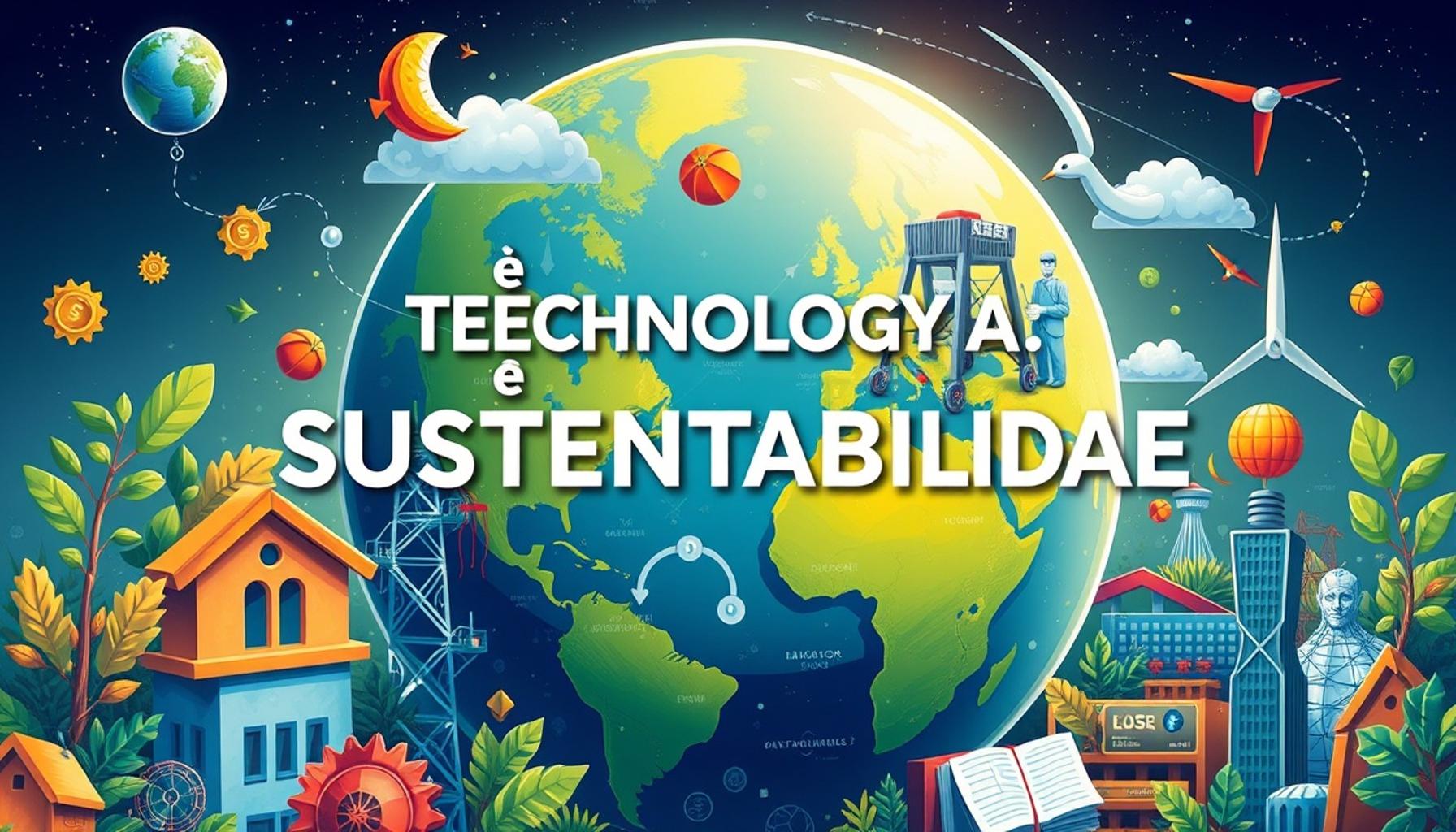
Introduction to Technological Innovations in Sustainability
As the world faces unprecedented environmental challenges, innovative technologies are stepping in to create pathways toward sustainability. From reducing carbon footprints to optimizing resource use, these advancements are essential in our fight against climate change. It is imperative to understand the role of technology in addressing these pressing issues as part of a broader strategy for a healthier planet.
Key areas where technology is making a significant impact include:
- Renewable Energy: One of the most notable advancements in energy technology is the development of solar panels and wind turbines. Solar panels, which convert sunlight into electricity, have become more efficient and affordable, leading many households and businesses to adopt them as a primary energy source. For example, a typical American home with solar panels can save thousands of dollars over time while significantly reducing its carbon footprint. Wind energy, harnessed through turbines, has also seen exponential growth, contributing to approximately 8.4% of the total electricity generated in the United States in 2021. Together, these technologies are revolutionizing how we power our homes, moving us further away from fossil fuels.
- Smart Agriculture: The agricultural sector is another critical area benefiting from technological advancements. Precision farming tools such as GPS technology, soil sensors, and drones allow farmers to monitor crop health and field conditions closely. For instance, a farmer can utilize soil moisture sensors to determine the exact watering needs of different parts of a field. By optimizing water usage, farmers can save resources and reduce costs while increasing crop yields. Techniques like vertical farming and hydroponics also help maximize space and energy efficiency while producing food year-round, showcasing how innovation can lead to more sustainable practices in food production.
- Circular Economy Solutions: Innovations in recycling and waste management are pivotal in establishing a circular economy, where materials are reused and repurposed rather than discarded. Companies are now developing advanced recycling technologies that can break down complex materials into their basic components, allowing for more efficient recycling processes. Take, for example, a new process that can recycle plastic waste into reusable raw materials; this significantly reduces the amount of waste ending up in landfills. Furthermore, initiatives encouraging the design of products that are easier to repair and recycle are crucial in promoting sustainable consumer habits.
These examples showcase how technology can play a pivotal role in fostering a more sustainable future. It’s not just about creating new tools; it’s about integrating these solutions into our daily lives. For example, by adopting smart thermostats in homes, individuals can easily track and adjust their energy usage, leading to reduced energy consumption and lower bills.
By embracing these technologies, we can transform our societal approach to consumption, energy use, and waste management. In the following sections, we will explore these innovations in greater detail, illustrating their potential to help save the planet. Understanding these advancements is essential for everyone, as they represent a collective effort towards building a sustainable world, benefitting not only the environment but also future generations.
DISCOVER MORE: Click here to learn how it works
Harnessing Renewable Energy for a Greener Future
The transition to renewable energy sources is one of the most impactful areas of technological innovation aimed at sustainability. As technology continues to evolve, it is reshaping energy production in ways that not only mitigate climate change but also provide economic benefits. The reliance on fossil fuels is slowly diminishing, paving the way for cleaner, more sustainable energy options that play a critical role in reducing greenhouse gas emissions.
In recent years, the development of solar energy technology has gained momentum. Solar panels have become more efficient and are now capable of harnessing sunlight even in less-than-ideal weather conditions. For instance, the introduction of bifacial solar panels, which capture sunlight on both sides, enhances energy production significantly. Many states, including California and Texas, have instituted programs to incentivize solar panel installation, leading to a surge in household solar energy generation. By investing in solar energy, individuals can reduce their electrical bills and contribute to a cleaner environment.
Equally significant is the growth of wind energy. Wind turbines, which convert kinetic energy from wind into electrical energy, are becoming a staple in the energy sector. The United States is home to large wind farms, particularly in the Midwest, where the landscape is perfectly suited for wind generation. In fact, wind power is projected to be one of the fastest-growing sources of electricity in the coming years. As turbine technology improves, allowing for taller and more efficient designs, we can expect an even greater percentage of our energy to come from this renewable source.
The Impact of Smart Agriculture on Sustainable Practices
Another vital area where technology intersects with sustainability is in smart agriculture. Technology is revolutionizing how food is produced, making farming more efficient and environmentally friendly. The implementation of precision agriculture techniques allows farmers to gather data and implement practices that optimize resource use. These innovations not only boost productivity but also minimize waste.
- Data-Driven Insights: Precision farming employs GPS and sensor technologies to collect data on soil conditions, crop health, and weather patterns. This enables farmers to make informed decisions about irrigation, planting, and fertilization. For example, a farmer can determine the precise amount of fertilizer to apply based on soil nutrient levels, thus reducing excess runoff that can harm waterways.
- Water Conservation: Technologies such as drip irrigation systems minimize water waste by delivering water directly to the plant’s roots, ensuring optimal hydration while conserving resources.
- Vertical Farming: In urban areas, vertical farms utilize space-saving methods to grow crops in stacked layers, often using hydroponic systems. Not only does this reduce the carbon footprint associated with transporting food, but it also provides fresh produce year-round.
The integration of these technological advancements in agriculture stands as a testament to how innovation can lead to more sustainable food production practices. By embracing smart agricultural technologies, we can contribute to food security while protecting the environment and promoting sustainability. As we delve deeper into these technologies, it becomes clear that the path forward is not just about adopting new tools but also about rethinking how we produce, consume, and manage our natural resources responsibly.
DISCOVER MORE: Click here to uncover how to get free products on Shein
Innovating Waste Management: Turning Trash into Treasure
As the global population continues to rise, effective waste management has become crucial for sustainable living. Technological innovations are transforming how we handle waste, aiming to reduce landfill reliance and promote recycling and recovery. These advancements not only help keep our environment clean but also generate economic opportunities and resource conservation.
One of the most remarkable innovations in waste management is the development of smart waste bins. Equipped with sensors and IoT (Internet of Things) technology, these bins can monitor fill levels and send alerts when they need to be emptied. Cities across the United States, such as San Francisco and New York, are implementing these high-tech bins to optimize collection routes and reduce fuel consumption in waste collection vehicles. By minimizing unnecessary trips, these smart systems not only streamline operations but also significantly cut down on greenhouse gas emissions.
Recycling and Upcycling: Innovative Processes
Another pioneering area in waste management is the evolution of recycling processes. Historically, recycling has been limited by the types of materials that could be effectively processed. However, recent advancements are changing this narrative.
- Advanced Sorting Technologies: Innovations in sorting technology, such as artificial intelligence (AI) and machine learning, are revolutionizing recycling operations. Automated systems can now quickly identify and separate materials like plastics, metals, and paper, ensuring that higher-quality recyclables are collected. For example, a recycling facility in Atlanta has started using AI-powered robots to improve sorting accuracy, leading to a rise in the volume of recyclable materials.
- Circular Economy Practices: The concept of a circular economy aims to redefine traditional production and consumption models. By finding new uses for waste products, businesses can create valuable resources from what would typically be discarded. Companies like Adidas are adopting this model by producing shoes made from recycled ocean plastic, demonstrating that sustainability and style can coexist.
- Composting Innovations: Composting technology is also advancing, making it easier for households and businesses to convert organic waste into nutrient-rich soil. Startups like City Compost offer services that recycle food waste through local composting initiatives. In urban areas, this not only reduces waste sent to landfills but also creates local compost, enhancing soil health and promoting urban gardening.
Innovations in waste management demonstrate how technology can align with sustainability goals to create a cleaner, more responsible approach to resource usage. By using advanced tools and systems, we can revolutionize waste practices, turning trash into valuable resources while minimizing environmental impact. These initiatives are vital, as reducing waste not only conserves resources but also influences broader areas like reducing carbon footprints and fostering community resilience.
Transportation: Shaping Sustainable Mobility
The transportation sector is another significant contributor to global carbon emissions, but technological innovations are paving the way for more sustainable mobility solutions. Electric vehicles (EVs) are at the forefront of this change, rapidly gaining traction as cleaner alternatives to traditional gasoline-powered cars.
With improvements in battery technology, EVs are becoming more affordable and have greater range capabilities. Major car manufacturers in the United States, including Tesla and Ford, are investing heavily in EV production and infrastructure. These advancements ensure EVs are not just eco-friendly options but essential components of future urban mobility. Furthermore, cities are integrating electric buses and charging infrastructures, encouraging public transit systems to switch to electric options.
In addition to EVs, shared mobility solutions—like car-sharing services and ride-hailing apps—are revolutionizing urban transportation by reducing the number of vehicles on the road. By promoting shared rides or electric options, these innovations not only decrease traffic congestion but also contribute to a significant reduction in emissions.
Collectively, these technological advancements in waste management and transportation underscore the potential for innovation to address pressing environmental challenges. By embracing these changes, we foster a more sustainable future that nurtures both the planet and its inhabitants.
FIND OUT MORE: Click here to discover how AI is reshaping industries
Conclusion
In today’s rapidly evolving world, the intersection of technology and sustainability presents a powerful alliance capable of addressing some of the most pressing environmental challenges we face. As demonstrated through innovations in areas such as waste management and transportation, technology is becoming a vital tool in creating effective, sustainable solutions. From the implementation of smart waste bins that optimize resource collection to the rise of electric vehicles and shared mobility systems, these advancements are shaping a sustainable future.
The benefits of these technologies extend beyond environmental preservation; they also foster economic growth and efficient resource use. By embracing practices like the circular economy and leveraging advanced sorting technologies, businesses can transform waste into valuable resources while contributing to healthier ecosystems. Additionally, as cities modernize public transport and focus on sustainable mobility solutions, they are not only reducing greenhouse gas emissions but also enhancing the quality of urban life for residents.
Ultimately, the journey toward sustainability is one that requires collective action and commitment from all sectors of society, including policymakers, businesses, and individuals. By supporting and adopting innovative technologies, we empower ourselves to play a crucial role in safeguarding the planet for future generations. As we navigate the challenges of climate change, it is clear that these advancements hold the key to a cleaner, greener, and more resilient world.

Linda Carter
Linda Carter is a writer and expert known for producing clear, engaging, and easy-to-understand content. With extensive experience in guiding people toward their goals, she shares valuable insights and practical advice. Her mission is to help readers make informed choices and achieve meaningful progress.