
The Revolution of Autonomous Vehicles: Transforming Urban Transport
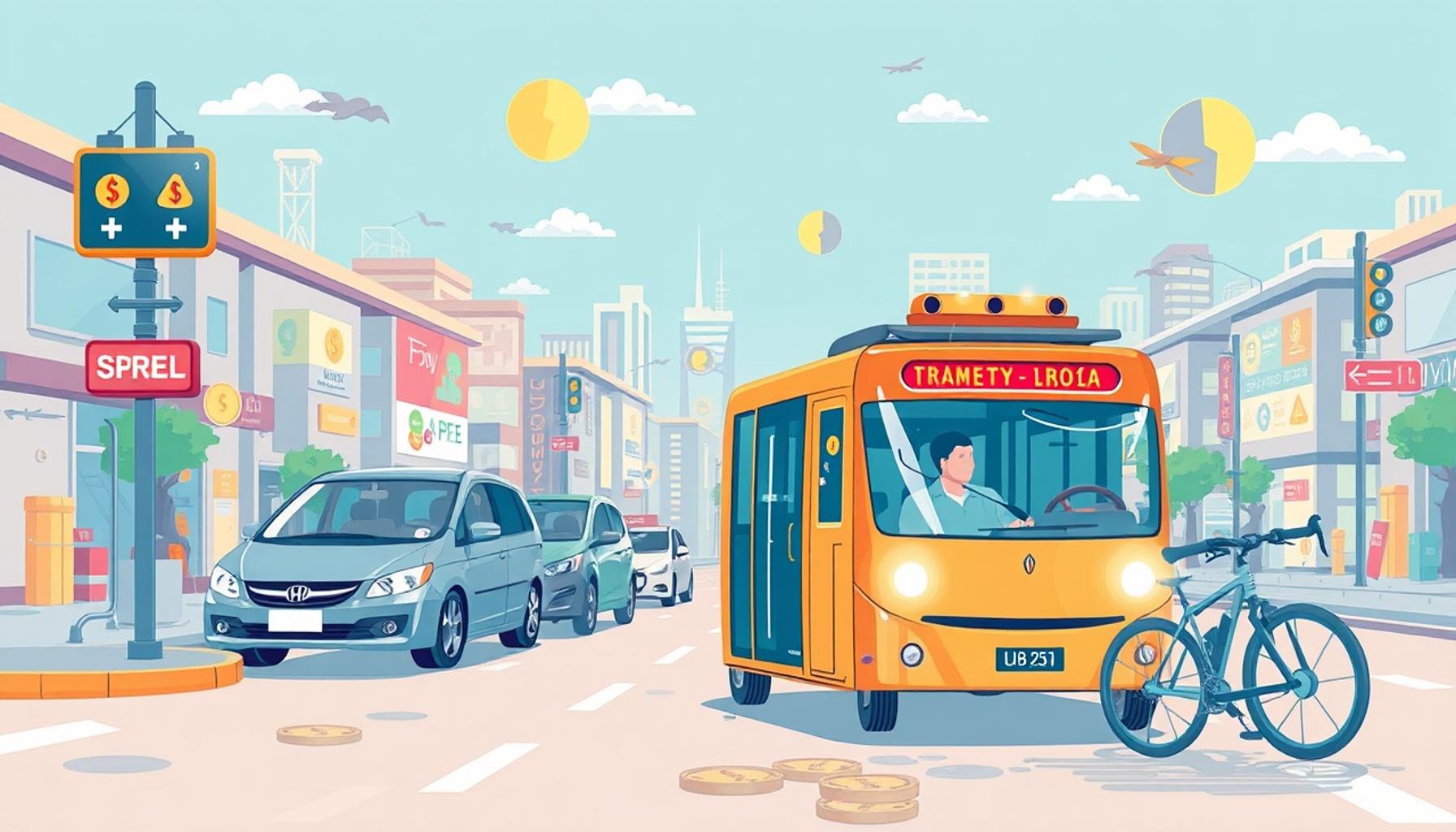
Impact of Autonomous Vehicles on Urban Transportation
The ongoing rise of autonomous vehicles is set to revolutionize urban transportation in ways that were once only imagined in science fiction. As this technology evolves from experimental stages into practical applications, its implications for daily life, infrastructure, and urban planning become increasingly substantial. With the promise of enhanced safety, improved traffic management, and greater accessibility, autonomous vehicles may well usher in a new era of mobility that prioritizes not only efficiency but also inclusivity.
Safety Improvements
One of the most compelling advantages of autonomous vehicles lies in their potential to significantly enhance road safety. According to the National Highway Traffic Safety Administration (NHTSA), over 90% of traffic accidents are attributed to human error. Autonomous vehicles, equipped with advanced sensors and artificial intelligence, can process information and react at speeds beyond human capability. For instance, if a car detects an obstacle or sudden stop, it can brake immediately, potentially preventing collisions. Numerous studies suggest that widespread adoption of self-driving technology could reduce accident rates, saving thousands of lives each year.
Traffic Optimization
Another key benefit of these vehicles is their ability to optimize traffic flow in urban environments. Through Vehicle-to-Vehicle (V2V) communication, autonomous cars can share critical information, such as speed and position, to coordinate movements. Imagine a scenario where a fleet of self-driving cars works together at an intersection, seamlessly adjusting their speed and spacing to minimize waits and prevent bottlenecks. This collaborative approach to transportation promises not only to decrease congestion but also to reduce fuel consumption and emissions, making cities cleaner and more livable.
Accessibility
Autonomous vehicles also hold significant potential for enhancing transportation accessibility for underserved populations. For elderly individuals, those with disabilities, or people who cannot drive for various reasons, self-driving cars provide a degree of independence previously unattainable. Programs like Waymo’s ride-sharing service are already demonstrating how these vehicles can facilitate travel for people who may otherwise rely heavily on public transport or the assistance of others. This increased accessibility can improve quality of life and expand opportunities for education, employment, and social interaction.
Urban Planning and Future Outlook
The integration of autonomous vehicles into urban landscapes encourages innovative urban planning solutions. As cities begin to embrace this technology, they have the opportunity to redesign transportation networks to better accommodate self-driving cars. For example, dedicated lanes, strategically placed drop-off zones, and smart traffic signals could enhance the efficiency of urban traffic systems. Furthermore, the reduction in the necessity for parking spaces may lead to repurposed urban areas for parks, housing, or commercial development, transforming city living.
As autonomous vehicles become more prevalent, we forecast major changes in commuting patterns as well as the economic structures surrounding transportation. The push for smart and sustainable urban transport solutions highlights priorities of inclusivity and efficiency, promising a future where all citizens enjoy easier access to transportation alternatives.
DISCOVER MORE: Click here to learn about AI’s role in digital transformation
Safety Improvements in Autonomous Transportation
The promise of autonomous vehicles begins with their potential for significantly enhancing road safety. Statistics show that over 90% of traffic accidents result from human errors, such as distracted driving or poor judgment. By minimizing the role of human decision-making, autonomous vehicles could drastically reduce the number of accidents on our roads.
Autonomous vehicles utilize a combination of advanced technologies, including sensors, cameras, and artificial intelligence, to perceive their environment and make real-time decisions. For example, these vehicles can detect sudden obstacles, pedestrians crossing the road, or changes in traffic signals at speeds that surpass human reaction times. The implementation of systems like automatic emergency braking ensures that if a driver is distracted or unable to respond quickly enough, the car can act on its own to prevent collisions.
Real-world examples already illustrate the impact of these technologies. In Phoenix, Arizona, Waymo has been conducting autonomous taxi services, showcasing how these vehicles navigate complex urban environments safely. By gathering extensive data on real-world driving conditions, autonomous vehicles are learning to handle the diverse challenges of city traffic, from stop-and-go congestion to unpredictable pedestrian behavior.
Traffic Optimization: Reducing Congestion
Another significant advantage of autonomous vehicles is their capability to optimize traffic flow. One concept that stands out is Vehicle-to-Vehicle (V2V) communication. This technology allows autonomous cars to communicate with each other, sharing critical information regarding their speeds, directions, and locations. Here’s how it works:
- Coordinated Movement: When cars can “talk” to each other, they can adjust their speeds and spacing to move more fluidly through intersections and avoid unnecessary stops.
- Real-Time Traffic Updates: By receiving updates about road conditions, accidents, or slower traffic ahead, autonomous vehicles can reroute themselves to minimize delays.
- Smart Traffic Management: With connected vehicles, cities can implement intelligent traffic signals that adapt in real time to the current traffic patterns, further alleviating congestion.
This collaborative nature of autonomous vehicles promises not only to decrease congestion but also to promote reduced fuel consumption and lower emissions. Fewer idling cars lead to cleaner air, making urban environments safer and more pleasant for residents. In cities like Los Angeles, where traffic congestion is notorious, the potential of autonomous vehicles to streamline traffic could have profound effects on daily commutes, reducing stress and improving overall quality of life.
Enhancing Accessibility for All
Autonomous vehicles also have great potential to enhance transportation accessibility for various groups. For those who may have difficulty driving, such as the elderly or people with disabilities, self-driving vehicles can offer a new level of independence. Companies like Uber and Lyft are already experimenting with autonomous ride-sharing services that cater to these populations, making it easier for individuals to travel without relying on family or friends.
The increased accessibility afforded by autonomous vehicles can lead to improved quality of life and greater opportunities. With easier access to transportation, individuals can attend educational programs, seek employment, and participate in their communities without the barriers that come from mobility challenges. This shift not only benefits the individuals but also fosters stronger, more inclusive communities.
DIVE DEEPER: Click here to learn more about the impact of robotics on the labor market</
Environmental Impact: A Greener Future
As urban centers grapple with the challenges of pollution and climate change, the introduction of autonomous vehicles presents an opportunity to promote a more sustainable future. With the integration of electric and hybrid technologies, self-driving cars can contribute significantly to reducing greenhouse gas emissions. Traditional gasoline-powered vehicles are a major source of urban air pollution, but autonomous electric vehicles (EVs) can help mitigate this issue.
For instance, many autonomous vehicle companies are now prioritizing electric technologies. Companies like Tesla have already demonstrated the potential benefits. With zero tailpipe emissions, electric vehicles not only help in reducing pollution but also lessen dependence on fossil fuels. In addition, autonomous EVs are often designed with energy efficiency in mind, using advanced algorithms to optimize energy consumption during trips, which further supports eco-friendly transportation.
Rethinking Urban Design and Infrastructure
The rise of autonomous vehicles invites urban planners to rethink city landscapes and infrastructure. As self-driving cars become more commonplace, cities may shift their design focus from accommodating personal vehicles to creating environments that support multi-modal transportation solutions. This shift could lead to repurposing parking lots into green spaces or community centers, as the demand for extensive parking decreases.
Furthermore, with enhanced traffic predictability and reduction in congestion, cities could consider reallocating road space to pedestrians and cyclists, improving public transit systems, and fostering vibrant urban ecosystems. Cities like San Francisco are already experimenting with designated lanes for autonomous vehicles to facilitate smoother movements while integrating with existing public transport. This holistic approach could lead to healthier, more engaged communities.
Economic Implications: Cost Savings and New Opportunities
The economic benefits of autonomous vehicles are vast and multifaceted. First, the reduction in accidents due to the increased safety measures provided by these vehicles could lead to a decrease in insurance costs. The National Highway Traffic Safety Administration estimates that the economic costs of motor vehicle crashes in the United States exceed $800 billion each year. As autonomous driving technology grows, these costs could significantly diminish, benefiting consumers and insurers alike.
Moreover, autonomous vehicles could create new job opportunities in various sectors. While many may worry about job displacement in the transportation industry, new roles in tech, vehicle maintenance, cybersecurity, and data analysis are emerging to support the infrastructure required for this transition. Companies like Waymo and Cruise are investing heavily in workforce development initiatives, emphasizing the importance of training workers for a tech-driven future.
The advent of autonomous vehicle technology also stimulates innovation in urban mobility services, such as ride-sharing and delivery services. A more efficient transport system can open avenues for smaller businesses to flourish by enhancing logistics, allowing for quick and cost-effective deliveries, which is essential in our fast-paced economy. By redefining traditional transport models, we can also promote local economies and encourage more sustainable practices in urban settings.
DISCOVER MORE: Click here to learn about the future of retail
Conclusion: Embracing a New Era of Mobility
The revolution of autonomous vehicles marks a significant turning point in the way we approach urban transport. As cities become more congested and environmental challenges mount, the integration of self-driving technology presents invaluable solutions that address these pressing issues. From reducing air pollution through electric drive systems to enhancing road safety, autonomous vehicles offer a pathway toward cleaner, safer, and more efficient transportation systems.
Moreover, the way cities are designed is primed for transformation. With a shift towards accommodating autonomous mobility, urban planners can reimagine public spaces and create a more pedestrian-friendly environment, ultimately fostering community engagement and a higher quality of life. Opportunities for revitalizing urban landscapes are abundant, capable of turning parking lots into parks and prioritizing biking and walking paths.
Economically, the implications of this shift are profound. The potential for decreased accident costs, coupled with new job creation in technology and service sectors, signals a growing demand for a skilled workforce equipped to thrive in a tech-driven future. Innovations in mobility services will likely empower local businesses and enhance the efficiency of our supply chains, benefiting the economy at large.
As we stand at the forefront of this transformation, it is crucial to approach the implementation of autonomous vehicles thoughtfully and inclusively. Engaging communities, ensuring public safety, and advocating for equitable access will be key to realizing the full potential of this transport revolution. Together, we can navigate this new era of mobility and lay the groundwork for a sustainable, connected, and prosperous urban future.

Linda Carter
Linda Carter is a writer and expert known for producing clear, engaging, and easy-to-understand content. With extensive experience in guiding people toward their goals, she shares valuable insights and practical advice. Her mission is to help readers make informed choices and achieve meaningful progress.