
Advances in Renewable Energy Technologies and Their Role in the Climate Crisis
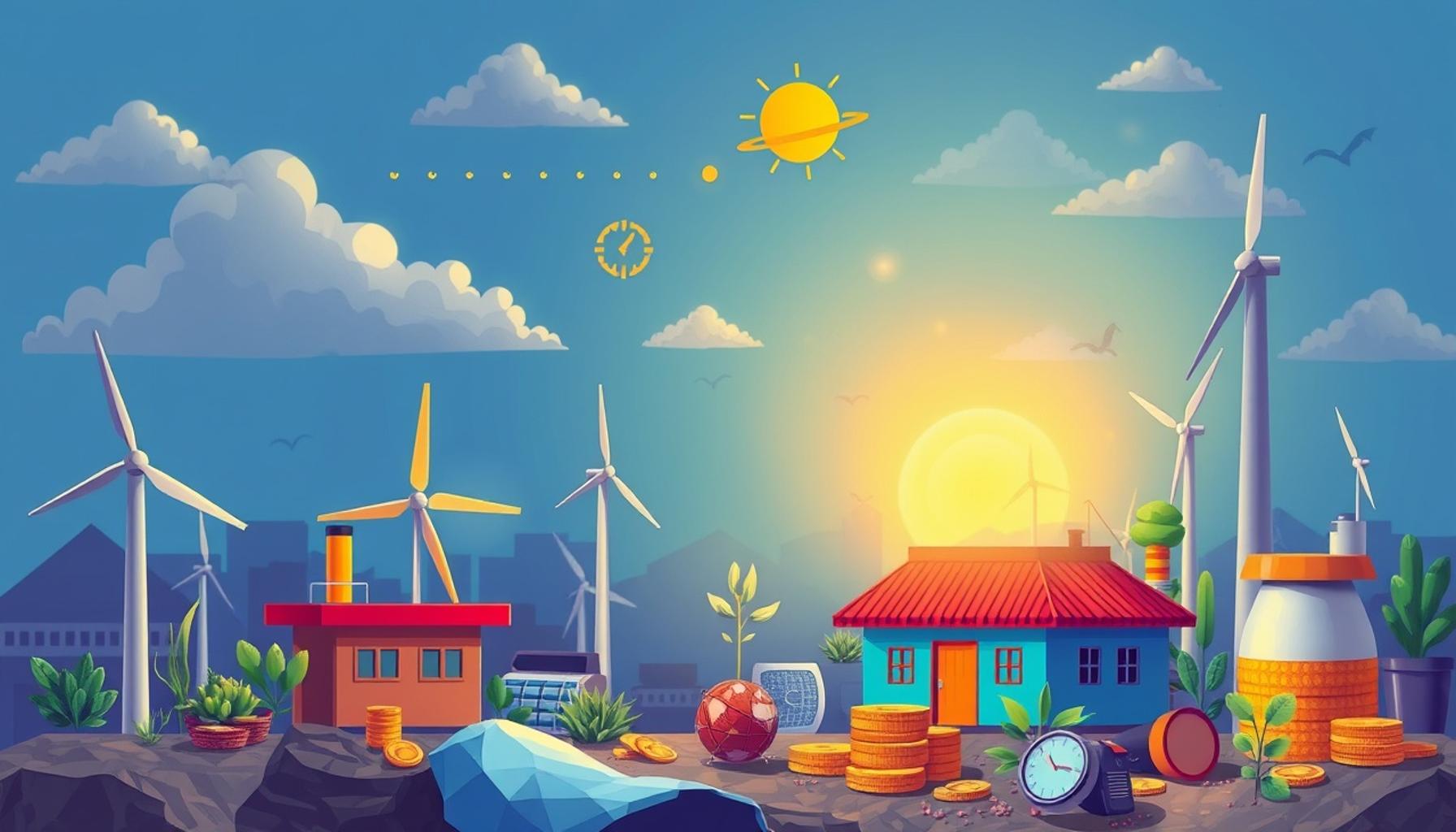
Understanding the Importance of Renewable Energy
The ongoing effects of climate change are profoundly reshaping our planet, with rising global temperatures, extreme weather events, and shifting ecosystems becoming more prevalent. In light of these challenges, there is an urgent need for solutions that minimize our carbon footprint and protect the environment. One promising path forward is the advancement of renewable energy technologies, which play a crucial role in reducing our reliance on fossil fuels. By tapping into abundant natural resources, these technologies offer environmentally friendly alternatives that aid in combating climate change.
Key Advancements in Renewable Energy
Among the various renewable energy sources, three have shown remarkable progress in recent years:
- Solar Energy: One of the most significant innovations in solar energy has been the development of high-efficiency photovoltaic cells. For example, the introduction of bifacial solar panels, which capture sunlight on both sides, has increased energy output and reduced costs for installation. In the United States, projects like the Copper Mountain Solar Facility in Nevada exemplify the successful implementation of solar technology, providing power for over 100,000 homes.
- Wind Energy: Turbine technology has seen substantial improvements, leading to the construction of larger and more efficient wind farms. Modern turbines can now generate electricity at lower wind speeds, making many previously unsuitable sites viable for energy production. The offshore wind farms along the coasts of states like Massachusetts and New York illustrate how wind energy is becoming a more integral part of the nation’s energy landscape.
- Battery Storage: As energy consumption patterns evolve, advancements in battery storage technology have been crucial. Innovations in lithium-ion batteries and emerging solid-state batteries have increased energy storage capacity and efficiency. This is vital for maximizing the utility of intermittent energy sources like solar and wind. Tesla’s deployment of energy storage systems through their Powerwall product is a prime example of how these advancements can provide backup power for homes and contribute to grid stability.
These technologies not only serve to promote environmental sustainability but also have significant economic benefits. The renewable energy sector is rapidly growing, creating numerous job opportunities across various fields, from manufacturing to installation and maintenance. For example, as of 2021, the U.S. solar industry alone employed over 250,000 workers, demonstrating the potential for job creation in this sector.
Moreover, switching to renewable energy can help reduce energy costs for consumers in the long run, as technological advancements continue to drive down installation and operational expenses. This creates a substantial benefit for households, resulting in lower utility bills while contributing to a cleaner environment.
In the upcoming sections of this article, we will delve deeper into these advancements and explore their direct implications for addressing the climate crisis. Understanding the developments in renewable energy is essential for consumers and policymakers alike, as we work towards a more sustainable and resilient future.
DISCOVER MORE: Click here to learn about the future of urban mobility</
Transforming the Energy Landscape
The shift towards renewable energy technologies is not just a trend; it has become a necessity in the face of the escalating climate crisis. For many years, fossil fuels have dominated the energy landscape, driven by their established infrastructure and perceived cost-effectiveness. However, as the impacts of climate change become increasingly severe, the shift to renewable energy sources is proving to be essential for sustainability. Recent advancements in technology have significantly enhanced the viability and efficiency of renewable energy, making it a more attractive option for consumers and businesses alike.
Innovations Leading the Charge
Renewable energy technologies are characterized by innovations that enhance their efficacy, ease of use, and overall performance. Below are some noteworthy trends that illustrate how these advancements are shaping the future of energy:
- Increased Efficiency in Solar Panels: Recent performance improvements in solar panels mean they can now convert more sunlight into electricity than ever before. This increase in efficiency translates to less space required for installations and the ability to generate more power from smaller systems. For instance, the development of perovskite solar cells has shown great promise, potentially surpassing traditional silicon-based cells in performance within the next few years.
- Advancements in Wind Turbine Design: As wind energy technology evolves, modern turbines are being designed to harness wind energy more efficiently. Enhanced blade aerodynamics and increased durability allow these turbines to operate efficiently in a wider range of environmental conditions. Innovations in predictive maintenance using IoT technology are also enabling better monitoring of wind turbine performance, reducing downtime and increasing overall output.
- Smart Grid Technology: The integration of renewable energy sources into our power grids is being transformed through smart grid technology. By incorporating advanced communication technologies, the smart grid can manage real-time data to optimize energy distribution and storage. For example, when solar generation is high, excess energy can be stored in battery systems or redirected to power homes and businesses, maintaining a consistent energy supply.
These innovations do not only advance energy production but also pave the way for a greener economy. The expansion of renewable energy technologies has been accompanied by substantial investments, leading to a surge in job creation in sectors such as solar and wind energy installation, maintenance, and manufacturing. According to the U.S. Department of Energy, jobs in the solar industry grew by 20% in 2020 alone, highlighting the shift towards a more sustainable workforce.
As these technologies continue to mature and reduce costs, their implementation will play an increasingly significant role in mitigating the effects of climate change. By prioritizing renewables, the United States can not only work towards achieving sustainability goals but also foster job growth and energy independence in an evolving global economy. This transition is critical to address the pressing environmental challenges we face, ensuring a cleaner, more resilient future for generations to come.
DISCOVER MORE: Click here to learn about AI’s impact on traditional industries
Scaling Up Solutions: Energy Storage and Beyond
As the popularity of renewable energy sources like solar and wind continues to grow, the challenge of energy storage becomes increasingly important. Solar and wind energy generation is often intermittent, depending on weather conditions and time of day. This variability necessitates advancements in energy storage technologies to ensure a stable supply of electricity. Recent innovations in this area are promising not only for the renewable sector but for transition to a more resilient energy grid.
Breakthroughs in Energy Storage Technologies
Energy storage innovations are crucial for maximizing the effectiveness of renewable energy. Below are some of the most significant advancements:
- Improved Lithium-Ion Batteries: Lithium-ion batteries have been the backbone of energy storage solutions for years. However, recent developments in battery chemistry and manufacturing processes have drastically improved their efficiency, lifespan, and safety. For instance, companies are now experimenting with silicon-based anodes, which can enhance battery capacity significantly, allowing for longer usage between charges and easier integration into renewable energy systems.
- Alternative Battery Technologies: Beyond lithium-ion batteries, emerging technologies such as flow batteries and sodium-ion batteries are gaining traction. Flow batteries offer a greater energy storage capacity and improved cycle life, while sodium-ion batteries leverage abundant and less expensive materials. This diversification reduces reliance on lithium and can lower costs for consumers, promoting wider adoption of renewable energy.
- Grid-Level Storage Solutions: Large-scale energy storage solutions, such as utility-scale battery systems and pumped hydro storage, are enabling the integration of more renewables into the grid. These systems can absorb excess energy generated during peak production and release it during times of high demand. For example, the Hornsdale Power Reserve in South Australia has become a benchmark for grid energy storage, providing the grid with flexibility and improving reliability.
Moreover, advancements in energy management software are intensifying the efficacy of energy storage. Such software can analyze real-time data and forecast energy needs, allowing for dynamic optimization of battery charging and discharging, which can lead to reduced energy costs and improved efficiency. This combination of cutting-edge technology and intelligent software solutions represents a significant stride toward achieving a more sustainable energy future.
The Role of Policy and Investment
While technological advancements are crucial, the role of policy and investment cannot be understated. Government initiatives, both at federal and state levels, are essential in driving the adoption of renewable technologies and energy storage solutions. Tax incentives, subsidies, and grants can facilitate research and development efforts, making renewable projects more feasible for businesses and homeowners alike. For instance, the Investment Tax Credit (ITC) for solar energy has been pivotal in spurring growth in the solar market, leading to significant cost reductions over the years.
Furthermore, public-private partnerships are encouraged to mobilize funds for innovative projects and create a robust ecosystem for research and development. Collaborations between tech companies, renewable energy developers, and research institutions can accelerate the advancement of breakthrough technologies, ensuring that the U.S. remains at the forefront of the global energy transition.
By continuing to invest in and promote renewable energy technologies, the United States can not only work towards a sustainable future but also address the immediate challenges posed by climate change. By harnessing innovations in energy storage and supportive policies, an effective and resilient energy system can be established, ultimately contributing to a more sustainable environment for future generations.
DISCOVER MORE: Click here to dive deeper
Conclusion: Leading the Charge Against Climate Change
The advances in renewable energy technologies and energy storage solutions represent a pivotal shift in how we approach the climate crisis. By leveraging innovative technologies such as improved lithium-ion batteries, alternative battery systems, and grid-level storage solutions, we can effectively harness the power of renewable sources like wind and solar to create a stable and resilient energy infrastructure. These developments demonstrate that meeting our energy needs sustainably is not just a possibility but an achievable reality.
Moreover, the importance of supportive policies and strategic investments in these technologies cannot be overstated. Incentives such as the Investment Tax Credit (ITC) and collaborative partnerships among government, business, and research institutions are instrumental in accelerating the transition to clean energy. With the right support, we can tap into a wealth of opportunities that not only drive economic growth but also significantly reduce greenhouse gas emissions.
As we stand on the brink of a new energy era, it is clear that embracing renewable technologies is no longer a choice but a necessity. The positive implications for our environment, public health, and economy are profound. For the United States, the path forward involves a united effort to invest in these solutions, educate communities, and encourage widespread adoption. By doing so, we can not only mitigate the effects of climate change but also pave the way for a sustainable future that benefits both current and future generations.

Linda Carter
Linda Carter is a writer and expert known for producing clear, engaging, and easy-to-understand content. With extensive experience in guiding people toward their goals, she shares valuable insights and practical advice. Her mission is to help readers make informed choices and achieve meaningful progress.