
The Evolution of Artificial Intelligence: Predictions for the Job Market in 2030
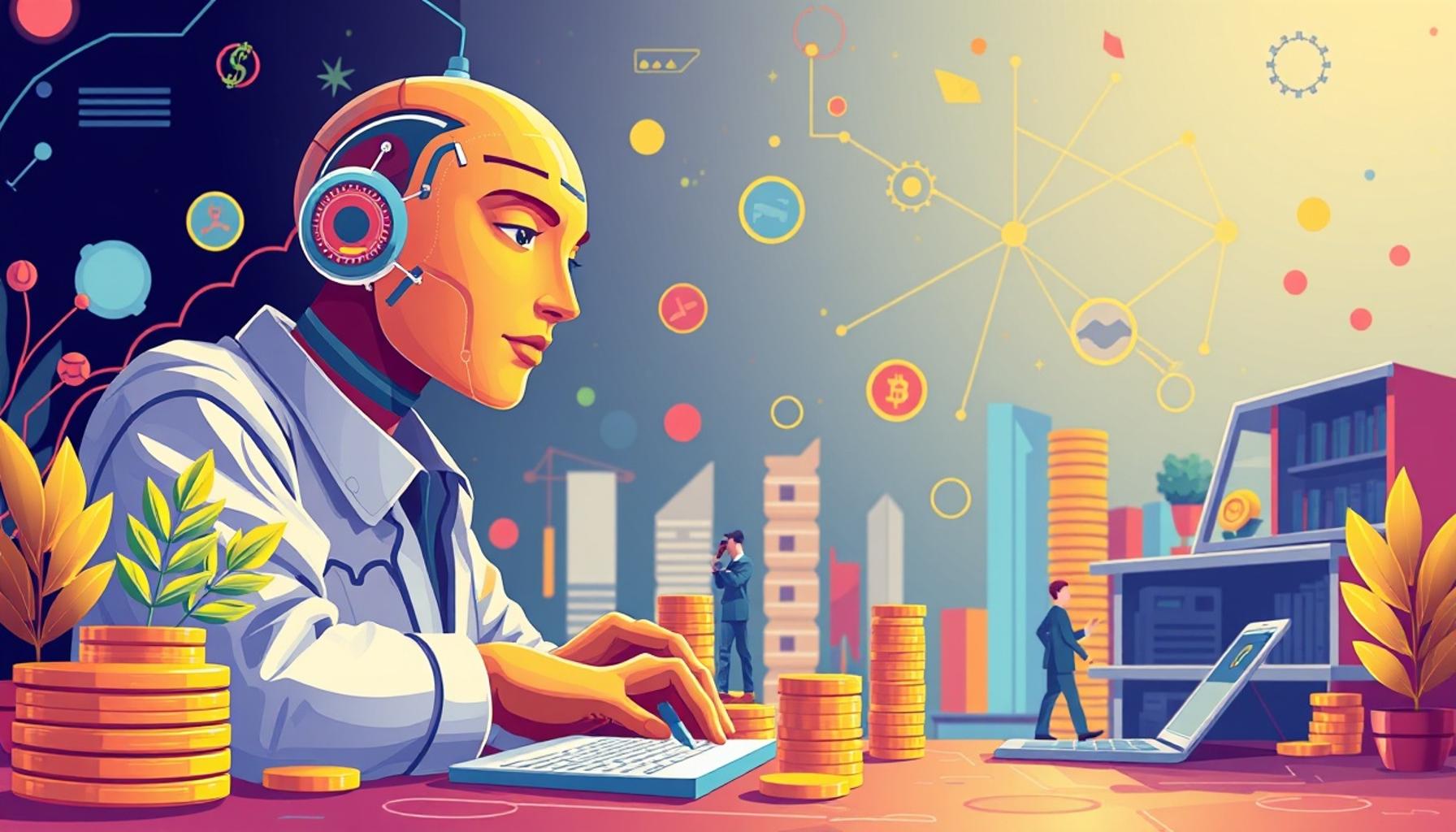
Understanding AI’s Impact on Employment
The landscape of the job market is constantly changing, and one of the most significant influences today is artificial intelligence (AI). As we look towards 2030, it’s essential to understand how AI will reshape employment opportunities and the skills required for success.
AI is not simply a passing trend—it represents a profound transformation in how we work. As technology integrates more deeply into various sectors, the implications for job roles and required skills are vast. Here are some key ways AI is expected to impact the job market:
- Automation of Routine Tasks: Many jobs that involve repetitive tasks—such as data entry, inventory management, and even customer service—are increasingly becoming automated. For example, chatbots powered by AI can handle a significant volume of customer inquiries without human intervention, allowing businesses to operate more efficiently. While this enhances productivity, it also means that fewer human workers may be needed for these tasks, leading to potential job displacement.
- Creation of New Roles: As AI evolves, new job categories will emerge that focus on managing, developing, and implementing AI systems. These positions might include AI ethics consultants, data scientists, and machine learning engineers. For instance, as companies like Google and Tesla continue to advance their AI technologies, they will require a new workforce skilled in these areas to ensure their systems operate effectively and responsibly.
- Skill Shift: The workforce will need to adapt by acquiring digital skills and competencies that complement AI technologies. Essential skills will include not only technical knowledge in programming and data analysis but also soft skills such as critical thinking and creativity. For example, professionals across industries may find that understanding data interpretation or utilizing AI-driven tools in their day-to-day tasks becomes increasingly important.
Understanding these changes is crucial for both employees and employers. As AI continues to advance, businesses must stay agile and prepare for the workforce of tomorrow. This may involve investing in employee training programs that focus on upskilling current staff and adopting a culture of lifelong learning.
The future job market won’t just be about job displacement due to AI; it will also present innovative opportunities for those willing to adapt. Workers willing to embrace new technologies and sharpen their skills stand a better chance of thriving in this evolving landscape.
The following sections will explore the current state of AI, detailed predictions about the job market in 2030, and recommendations for navigating this transformation effectively. By staying informed and proactive, both employees and employers can make the most of the AI-driven changes on the horizon.
DISCOVER MORE: Click here to learn how to get free clothes on Shein!
The Current State of AI and Its Advancements
To predict how artificial intelligence will reshape the job market by 2030, it’s essential to first examine its current state and evolving capabilities. AI has advanced rapidly, with breakthroughs in machine learning, natural language processing, and automation technologies. Businesses across various sectors are now leveraging AI tools not only to improve efficiency but also to make more informed decisions based on data insights.
Currently, we see AI being implemented in several key areas including:
- Healthcare: AI algorithms analyze medical data to assist doctors in diagnosing diseases, predicting patient outcomes, and personalizing treatment plans. For example, tools that sift through thousands of medical records can help identify patients at risk of developing specific conditions, enabling timely interventions that ultimately save lives.
- Finance: In the finance sector, AI is used to assess credit risk, detect fraudulent transactions, and provide personalized financial advice. Automated trading systems analyze market trends much faster than humans can, allowing for more strategic investment decisions and managing portfolios with greater precision.
- Manufacturing: Through the use of AI-driven robots and machine learning systems, manufacturing processes are becoming increasingly automated. These technologies improve productivity by performing precision tasks faster than human workers, exemplifying the shift towards smarter manufacturing practices that require fewer human interventions.
As these advancements continue, it is clear that businesses will increasingly depend on AI to enhance operational efficiency and maintain competitive advantages. However, this shift brings about challenges that both employers and employees must navigate. The traditional roles in these industries may evolve significantly, prompting a redefinition of job functions as automation takes over various tasks.
For example, in the manufacturing industry, while robots may handle assembly lines and repetitive tasks, human workers will shift towards roles that demand advanced problem-solving abilities and strategic oversight. Workers will need to embrace continuous learning and adaptability in response to these technological changes.
Moreover, as AI systems become more sophisticated, the demand for professionals who can build, manage, and maintain these systems is rising. This means there will be a surge in job opportunities related to AI development, such as data analysts, AI trainers, and system engineers. The job market will become more focused on collaborations between human capabilities and AI tools, reinforcing the importance of a skilled workforce that can operate in tandem with advanced technologies.
The ongoing evolution of AI is set to not only transform job functions but to redefine the very nature of work itself. The ability to leverage AI advantageously will be a crucial factor for businesses as they adapt to these changes. Understanding these current trends will help in making informed predictions about the future job landscape in 2030.
DON’T MISS OUT: Click here to discover how to score free clothing on Shein
Anticipating the Role of AI in the Future Job Market
As we look towards 2030, it is essential to consider not only the jobs that may vanish but also those that will emerge. The advent of AI will undoubtedly disrupt numerous industries, but it also presents an opportunity for creation, transforming the workforce landscape in profound ways. In predicting how AI will impact employment, we can identify several key trends likely to take shape over the next decade.
New Job Categories and Skills Development
One of the most significant shifts is the emergence of entirely new job categories that directly cater to AI’s capabilities and requirements. For instance, roles such as AI ethicists will become essential as companies grapple with the moral implications of deploying AI technologies. These professionals will help ensure that AI systems are used responsibly, protecting both individuals’ privacy and society’s ethical standards.
Moreover, specialized positions, such as machine learning engineers and AI trainers, will be in high demand. As organizations implement more advanced AI systems, the need for individuals who can fine-tune algorithms through training data will skyrocket. Furthermore, data curators will play a crucial role in maintaining the quality and integrity of the vast amounts of data that serve as the backbone for AI applications.
The Rise of Hybrid Roles
In addition to entirely new job categories, existing roles will increasingly evolve into hybrid positions that blend human skills with AI capabilities. For instance, customer service positions may become less about handling inquiries and more about working alongside AI-driven chatbots. Employees will be expected to provide higher-level support for complex issues while allowing AI to manage routine questions efficiently. This trend will enhance job satisfaction by enabling workers to focus on more engaging and rewarding aspects of their roles.
Similarly, in the realm of marketing, professionals will need to adapt to integrating AI tools that analyze consumer behavior. Marketers will shift from traditional advertising roles to roles that emphasize strategy and creative processes, leveraging AI insights to develop innovative campaigns that resonate with target audiences.
Reskilling and Lifelong Learning
A critical aspect of this evolving job market will be the emphasis on reskilling and lifelong learning. As AI continues to advance, professionals must be proactive in updating their skill sets to remain competitive. Businesses will likely invest heavily in employee training programs to equip their teams with the necessary skills for a more automated workplace.
Notably, formal education systems are expected to adapt as well. More institutions will offer courses focused on AI literacy, programming, and data analysis, ensuring that future generations are better prepared for a job market intricately intertwined with advanced technologies. On a practical level, workers may need to embrace microlearning opportunities—short, focused learning experiences that allow them to acquire new skills swiftly.
Emphasis on Skills Over Degrees
As AI reshapes the workforce, there is a strong likelihood that employers will place greater emphasis on skills and experience over traditional degrees. This means that individuals who can demonstrate their capabilities through practical experiences, such as boot camps or online assessments, may find themselves at an advantage in the job market. Consequently, organizations will prioritize candidates who exhibit adaptability, critical thinking, and problem-solving skills above all else.
In sum, the next decade promises to be transformative for the job market as AI continues to evolve. By understanding these emerging trends, individuals and companies alike can better navigate the complexities of the future workforce, harnessing AI’s potential while preparing for the changing landscape of jobs.
DIVE DEEPER: Click here to learn more
Conclusion
As we navigate the rapid advancement of artificial intelligence, it is clear that the job market of 2030 will be drastically different from what we know today. The potential for job creation alongside job displacement highlights an exciting yet challenging transition for workers and employers alike. In this evolving landscape, new roles centered around AI, such as AI ethicists and data curators, will emerge, necessitating a shift in skill sets and professional focus. This shift will require individuals to embrace reskilling and lifelong learning, as the demand for adaptability will be paramount.
Moreover, the trend towards hybrid roles emphasizes the integration of human judgment and AI capabilities, allowing employees to focus on higher-level, more satisfying tasks. In this new paradigm, companies are likely to prioritize skills over degrees, placing importance on practical experience and the ability to adapt rather than traditional educational pathways. This evolution calls for a robust support system from educational institutions and businesses to prepare future workers for a technology-driven job market.
Ultimately, while the transformation brought about by AI presents significant challenges, it also offers immense opportunities for innovation and growth. By understanding these trends and proactively adapting to the changing environment, both individuals and organizations can thrive in the future workforce, ready to harness the full potential of artificial intelligence.

Linda Carter
Linda Carter is a writer and expert known for producing clear, engaging, and easy-to-understand content. With extensive experience in guiding people toward their goals, she shares valuable insights and practical advice. Her mission is to help readers make informed choices and achieve meaningful progress.