
Digital Transformation in Healthcare: Technological Innovations Reshaping the Medical Sector in the USA
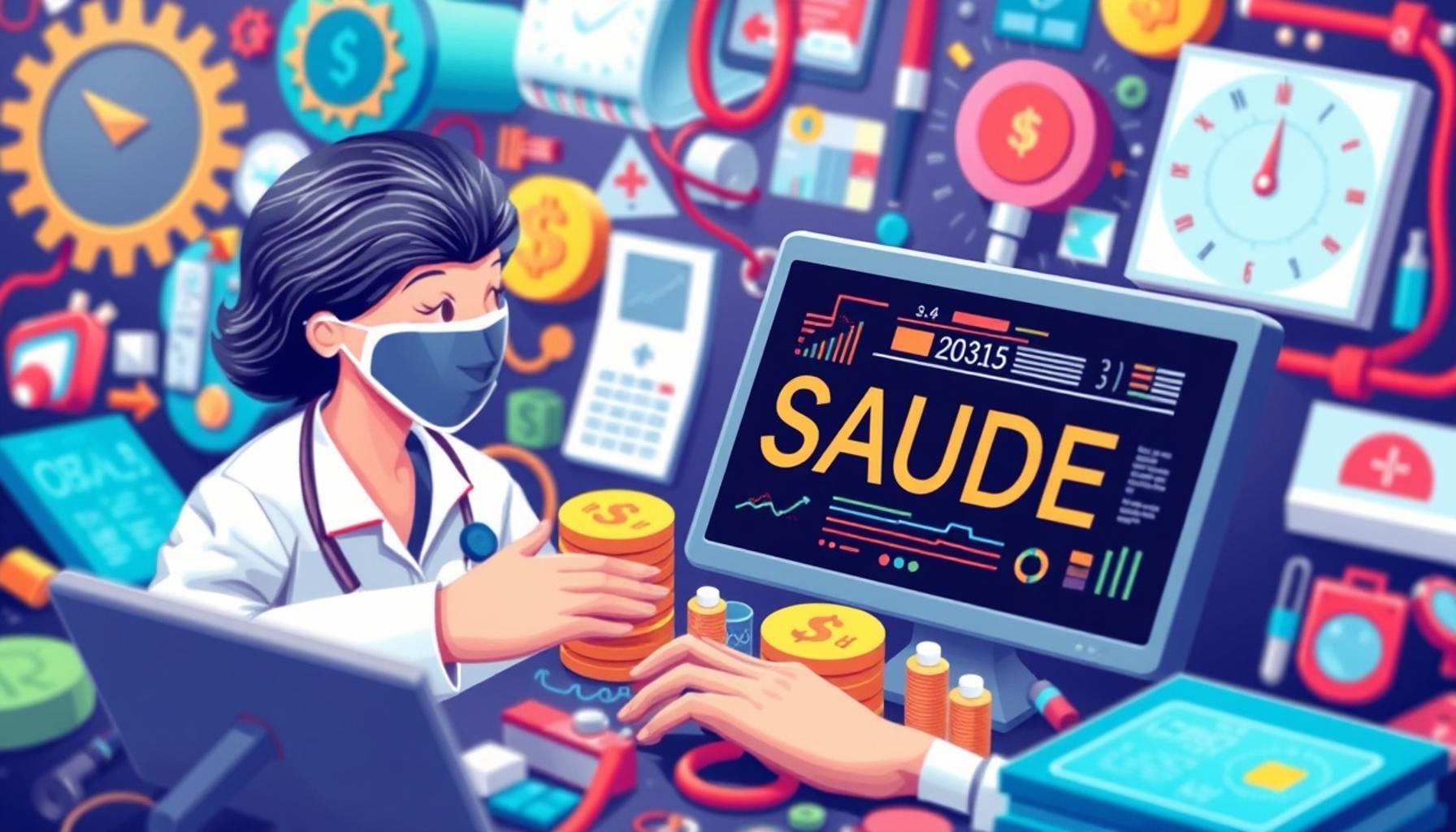
The landscape of healthcare in the USA is undergoing a dramatic shift, driven by digital transformation. This shift involves integrating advanced technologies into various aspects of medical services, ultimately enhancing patient care and operational efficiency. From telemedicine to artificial intelligence, these innovations are reshaping how healthcare providers deliver services.
Understanding Key Technological Advancements
Several innovations are playing pivotal roles in this evolution. Understanding them helps to contextualize the overall impact on patient care and healthcare delivery.
- Telehealth: This provides patients with the ability to consult healthcare providers remotely. For instance, during the COVID-19 pandemic, telehealth soared in popularity as individuals sought medical advice without risking exposure in clinics. Patients can now use their smartphones or computers to speak with doctors about symptoms, receive prescriptions, or manage chronic conditions, all from their homes.
- Wearable Devices: These devices, like smartwatches and fitness trackers, can monitor crucial health metrics, such as heart rate, sleep patterns, and physical activity levels in real-time. For example, a person with diabetes might use a continuous glucose monitor that syncs with their smartphone, alerting them to any abnormal readings that require immediate attention. This empowers individuals to take charge of their health proactively rather than reactively.
- Electronic Health Records (EHR): EHR systems have revolutionized how patient information is stored and shared among healthcare professionals. Unlike traditional paper records, EHRs allow for instant access to patient history, medications, and treatment plans for any authorized provider. This seamless information transfer is particularly crucial in emergencies, ensuring that doctors have the data they need to make informed decisions quickly.
Benefits of Digital Innovations
The benefits of these technological advancements are manifold. Not only do they improve patient outcomes significantly, but they also play a vital role in reducing costs across the healthcare system. For example, telehealth can decrease hospital readmissions by providing continuous care, while wearables can help detect health issues early, reducing the need for expensive interventions later on.
Moreover, as healthcare providers increasingly adopt these digital solutions, they can offer more personalized services. By leveraging data from EHRs and wearables, providers can tailor treatment plans to individual patient needs, enhancing both engagement and satisfaction.
Challenges Ahead
Despite the positive outlook, challenges remain in this rapidly evolving landscape. Issues such as data privacy, the digital divide among different populations, and the need for comprehensive training for healthcare staff must be addressed. For instance, while many patients are eager to use telehealth, older adults or those in rural areas may lack reliable internet access or the necessary technology to utilize these services effectively.
In conclusion, the digital transformation of healthcare in the USA is undeniably altering how medical services are delivered. By understanding the key advancements and their impacts, both patients and providers can navigate this new terrain with greater awareness and confidence, ensuring a healthier future for all.
DON’T MISS OUT: Click here for the complete guide
Exploring the Impact of Key Technologies
As we delve deeper into the digital transformation of healthcare, it is essential to explore the impact of key technologies that are at the forefront of this shift. These innovations are not only improving the efficiency of healthcare delivery but are also enhancing the overall patient experience.
- Artificial Intelligence (AI): AI technology is revolutionizing healthcare by enabling providers to analyze vast amounts of data quickly and accurately. For instance, AI algorithms can assist in diagnosing diseases by analyzing medical images or patient histories. In some instances, these systems can identify abnormalities (such as tumors in radiology scans) that may be overlooked by the human eye, leading to earlier and potentially life-saving interventions. Additionally, AI-powered predictive analytics can help healthcare providers anticipate patient needs, improving preventive care measures and ultimately reducing hospital readmission rates.
- Patient Engagement Platforms: These platforms empower patients by offering tools for managing their health. Through apps and online portals, patients can schedule appointments, access test results, and communicate with healthcare teams. This increased accessibility fosters a sense of ownership over one’s health and encourages proactive management of medical conditions. For example, platforms like MyChart allow patients to track their health metrics, set reminders for medications, and securely message their healthcare providers, creating a more interactive and participatory healthcare environment.
- Blockchain Technology: In an era where data security is paramount, blockchain offers a way to secure and streamline patient records. By creating an immutable ledger of health information, blockchain technology allows healthcare providers to verify patient identities securely and prevent fraud. This innovation enhances patient privacy by ensuring that sensitive information cannot be altered without consensus. Furthermore, blockchain can facilitate interoperability between different healthcare systems, allowing for seamless sharing of patient data, which is crucial for coordinated care.
These technological advancements are paving the way for a more efficient and patient-centered healthcare system. They enable healthcare providers to deliver services that are not only timely but also tailored to the needs of each patient. For example, AI-driven diagnostic tools can lead to more accurate and faster diagnoses, while patient engagement platforms facilitate more meaningful interactions between patients and their healthcare teams. This shift towards personalized care strengthens the doctor-patient relationship, contributing to improved health outcomes.
The adoption of these technologies also signifies a shift towards data-driven decision-making within healthcare organizations. As data becomes more accessible, healthcare professionals can use insights gained from analytics to improve treatment protocols, manage resources more effectively, and ultimately enhance patient outcomes. For instance, by analyzing data trends, hospitals can better allocate staff during peak times, enhancing both patient care and staff satisfaction.
In the following sections, we will further examine the benefits that these digital innovations bring to healthcare, along with the challenges that must be addressed to fully harness their potential. Understanding these technological advancements will help us appreciate the significant changes occurring in the medical field, ensuring that both patients and providers can navigate the complexities of modern healthcare with confidence.
DIVE DEEPER: Click here to discover more insights
The Role of Telemedicine and Remote Monitoring
Continuing our exploration of digital transformation in healthcare, we can’t overlook the profound influence of telemedicine and remote monitoring tools. These innovations have become particularly important, especially in the context of the COVID-19 pandemic, as they have allowed healthcare providers to deliver care safely while minimizing the risk of virus transmission.
- Telemedicine: This technology enables patients to consult with healthcare providers through video calls, phone calls, or online chat. It significantly expands access to care for individuals who may have mobility issues, live in rural areas, or lack reliable transportation. For example, a rural patient in Montana can speak with a specialist located in New York City without the need to travel, saving both time and money. Telemedicine also allows providers to evaluate chronic issues, manage medications, and follow up on treatment plans, leading to timely interventions that can prevent complications.
- Remote Patient Monitoring (RPM): RPM devices, which include wearables and home monitoring equipment, help healthcare providers collect real-time health data from patients. These tools can track vital signs such as heart rate, blood pressure, and glucose levels without the patient needing to visit a clinic. For instance, diabetic patients can use continuous glucose monitors to share their blood sugar levels with their care team, allowing for immediate adjustments to their treatment. Such real-time data can lead to better management of chronic conditions and reduce the need for emergency interventions.
- Virtual Reality (VR) and Augmented Reality (AR): Though still emerging in many areas, VR and AR are being used in healthcare for training and patient therapy. Medical students can practice surgical techniques in a simulated environment, making their training more effective. Meanwhile, VR is used for pain management, utilizing immersive experiences to distract patients during painful procedures or recovery, demonstrating its potential as a non-pharmaceutical intervention.
The efficiency gained from these technologies enhances not only patient care but also operational efficiency within healthcare practice. Insurance companies have started to recognize the value of telemedicine, offering coverage for virtual visits and integrating these services into their plans to improve patient access and health outcomes. This shift acknowledges an essential change in how healthcare services are delivered and paid for in the United States.
Moreover, the rise of these technologies has highlighted the importance of data integration and analytics across platforms. The ability to collect and analyze data from remote monitoring devices alongside data from traditional visits provides a comprehensive view of a patient’s health. It allows healthcare providers to develop more targeted treatment plans based on a holistic understanding of individual health trends. For example, aggregating remote monitoring data with a patient’s medical history can help a provider create a more effective plan for managing chronic illnesses, ultimately leading to better health outcomes.
While telemedicine and remote monitoring have undoubtedly reshaped the patient-provider dynamic, they also come with challenges. Issues such as reimbursement policies, technology adoption among older populations, and concerns over data privacy must be addressed to ensure these innovations can be fully leveraged. Nonetheless, the shift towards these digital solutions marks a critical step in the continuous evolution of healthcare in the USA, fostering a more patient-centered and accessible approach to medical care.
DISCOVER: Click here to learn about future trends in healthcare technology
Conclusion
In conclusion, the digital transformation in healthcare is undeniably revolutionizing how medical services are delivered and accessed across the United States. With advancements such as telemedicine and remote monitoring tools, patients now have unprecedented access to care, which is especially vital for those in rural areas or with mobility challenges. These technologies not only enhance patient engagement and satisfaction but also help in the timely management of chronic conditions, ultimately leading to improved health outcomes.
Moreover, the integration of data analytics plays a pivotal role in creating a more holistic understanding of patient health. By leveraging real-time data from various sources, healthcare providers can develop tailored treatment plans, ensuring that individualized care becomes the norm rather than the exception. This precision in healthcare represents a significant shift towards a patient-centered model that prioritizes proactive management and personalized approaches.
However, as we embrace these innovations, it is crucial to address ongoing challenges such as reimbursement frameworks, the digital divide, and data privacy concerns. Tackling these issues will ensure that the benefits of digital transformation are equitably distributed and that all individuals have access to high-quality healthcare, regardless of their circumstances.
In essence, the trajectory of healthcare in the USA is being reshaped by technology, opening paths to enhanced efficiency and accessibility. As we move forward, the focus should remain on fostering innovation while safeguarding the principles of patient care and privacy, ensuring that the future of healthcare is both advanced and responsible.

Linda Carter
Linda Carter is a writer and expert known for producing clear, engaging, and easy-to-understand content. With extensive experience in guiding people toward their goals, she shares valuable insights and practical advice. Her mission is to help readers make informed choices and achieve meaningful progress.