
The Revolution of Autonomous Vehicles: Impacts on Urban Mobility and the Global Economy
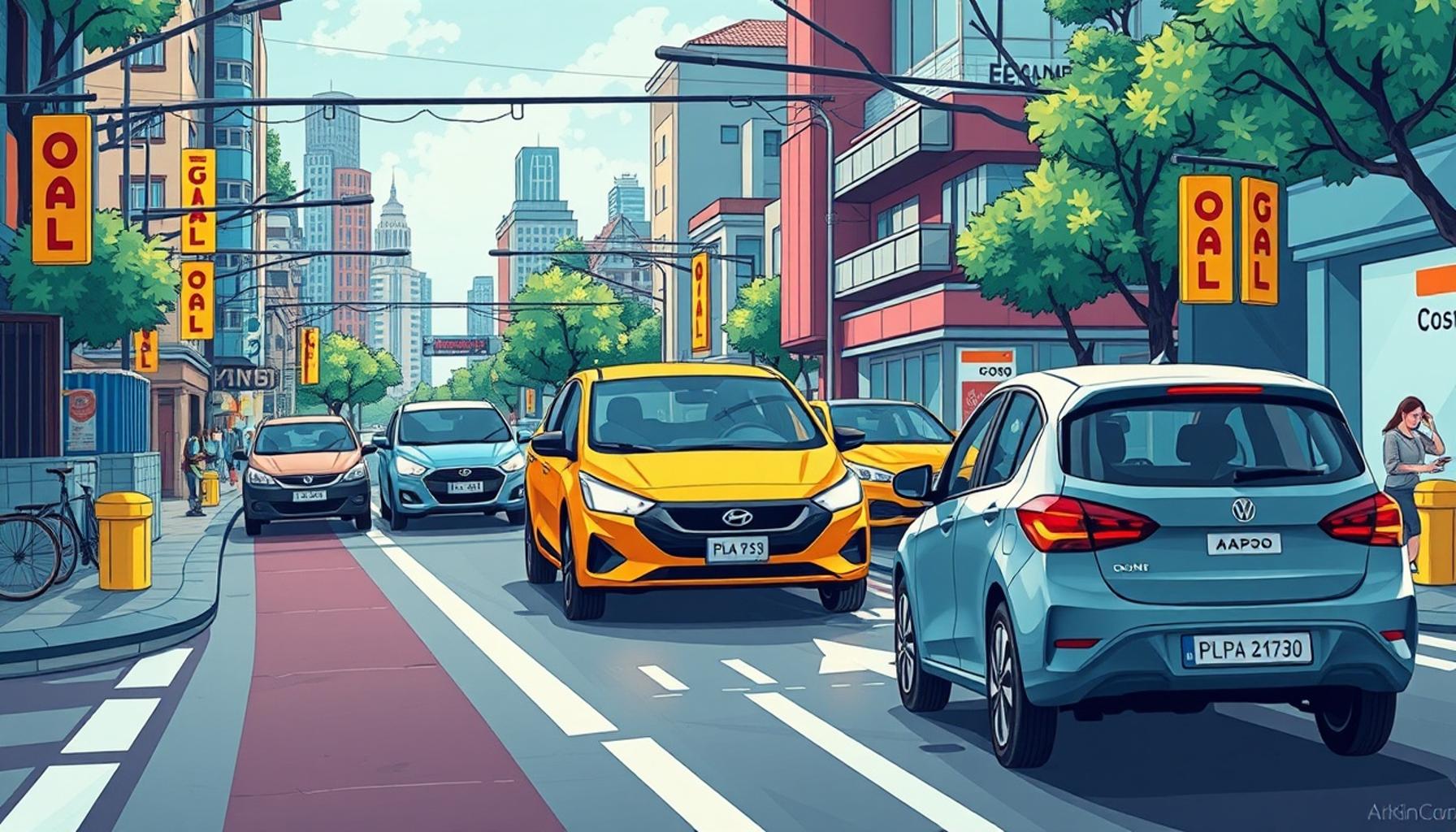
The Promise of Self-Driving Technology
As we embrace the innovations of the 21st century, autonomous vehicles are leading the charge in transforming our approach to transportation. No longer relegated to the realm of fiction, these self-driving cars have the potential to redefine urban mobility and catalyze significant changes within the global economy.
Enhanced Safety
One of the most compelling benefits of autonomous vehicles is their ability to enhance safety on the roads. Statistics reveal that approximately 94% of serious car accidents are caused by human error, including distractions, fatigue, and impaired driving. Self-driving technology leverages advanced sensors, cameras, and artificial intelligence to minimize these risks. For instance, companies like Waymo and Tesla are continuously refining their systems to analyze vast amounts of data in real-time, thereby reducing the likelihood of accidents. Imagine a future where collisions and fatalities become rare, allowing families to travel with peace of mind.
Improved Traffic Management
An additional advantage lies in the role of autonomous vehicles in improving traffic management. By utilizing real-time data, these vehicles can communicate with each other, as well as with traffic infrastructure, to optimize road usage. For example, consider a busy city intersection that often experiences congestion. With connected autonomous cars dynamically adjusting their speed and routing based on live traffic data, we could witness a reduction in gridlock. This integration promises to create more efficient transportation networks, ultimately saving time and fuel.
Environmental Impact
The shift towards electric autonomous vehicle fleets is poised to make a substantial environmental impact. Traditional gasoline-powered cars contribute to air pollution and greenhouse gas emissions, but self-driving electric vehicles offer a cleaner alternative. By efficiently managing energy consumption and promoting the use of renewable energy sources, autonomous fleets can help lower our carbon footprint. Cities that invest in these technologies will contribute to a healthier planet and improved air quality for their residents.
Future Urban Transformation
- Shared Mobility: The rise of ride-sharing platforms such as Uber and Lyft has already started to shift our perspective on car ownership. As autonomous vehicles become mainstream, the need for individuals to own personal cars is likely to diminish, leading to less parking demand and more space for parks and pedestrian pathways.
- Increased Accessibility: Autonomous vehicles hold significant promise for enhancing transportation options for individuals with mobility challenges, including the elderly and disabled. Imagine a world where these individuals have the same access to transportation as everyone else, allowing them greater independence and participation in societal activities.
- Economic Growth: The advent of autonomous vehicles will likely lead to the creation of new industries and jobs related to the technology itself. From software developers to data analysts and maintenance technicians for these sophisticated machines, the economic landscape could evolve dramatically, contributing to job creation across various sectors.
As we stand on the brink of this transportation revolution, it is essential to understand the profound shifts that will occur within urban landscapes and economic structures alike. Embracing these changes not only prepares us for the future but also enables us to create a world that prioritizes safety, accessibility, and sustainability.
DISCOVER MORE: Click here to learn about the evolution of 5G networks</
Transforming Urban Transport
The emergence of autonomous vehicles is set to revolutionize urban transport, fundamentally altering the way we navigate our cities. This transformation extends beyond simple convenience; it encompasses profound changes in mobility patterns, urban planning, and economic landscapes. As cities grow more populous and the demand for efficient transportation solutions increases, autonomous vehicles (AVs) offer promising solutions to some of the most pressing challenges we face today.
Redefining Public Transportation
One of the most significant impacts of autonomous vehicles will be on public transportation systems. Implementing self-driving technology into buses and shuttles can enhance service frequency and reliability while reducing operational costs. For example, cities like San Francisco and Austin are piloting autonomous shuttle programs that allow for dynamic routing, which can better accommodate the flow of riders throughout the day. This adaptability could lead to a significant increase in public transit usage, promoting a shift away from personal vehicle reliance and decreasing road congestion.
Urban Infrastructure Optimization
The surge of autonomous vehicles will also necessitate a reevaluation of urban infrastructure. As the need for parking diminishes—given that AVs could drop passengers off and park themselves in more distant, less congested areas—cities can repurpose valuable real estate currently allocated to parking lots. This shift opens opportunities for developing green spaces, affordable housing, and community centers, significantly enhancing the quality of urban life. Furthermore, improved road design can prioritize pedestrian safety and bike lanes, fostering a more integrated urban transport environment.
Socioeconomic Implications
As AVs redefine urban mobility, their introduction will also have far-reaching socioeconomic implications. Here are a few key areas where changes can be expected:
- Job Displacement vs. Job Creation: While sectors like truck driving and taxi services may face job displacement, the demand for various roles linked to the development, maintenance, and regulation of autonomous technologies will rise. New jobs, ranging from software engineers to traffic management specialists, will emerge, advocating for the reskilling of the workforce.
- Impact on Low-Income Communities: Autonomous vehicles can provide affordable transportation options for underserved populations. Ride-sharing services utilizing AVs could bridge the transportation gap, granting lower-income households access to jobs and essential services, which were previously out of reach.
- Influence on Urban Design: With decreased demand for parking and increased accessibility, city planners can design more pedestrian-friendly environments. Reimagined urban landscapes can foster increased community engagement and collaboration, enhancing social cohesion among residents.
In summary, the integration of autonomous vehicles into our urban transport systems represents a transformative force with the potential to reshape not only how we move from one point to another but also how we perceive and structure our communities. As we anticipate these changes, it becomes imperative for stakeholders—ranging from policymakers to city planners—to embrace innovative solutions that will cater to diverse populations and promote a sustainable, connected urban future.
DISCOVER MORE: Click here for insights on the future of cryptocurrencies
Economic Opportunities Created by Autonomous Vehicles
In addition to transforming urban transport, the widespread adoption of autonomous vehicles presents a host of economic opportunities that can significantly impact local and global economies. As companies rush to innovate within the autonomous vehicle sector, we are witnessing the emergence of new markets, investments, and business models that will reshape industries and generate wealth.
Advancements in Technology and Innovation
The race to develop fully autonomous vehicles is spurring remarkable advancements in technology, encompassing not just vehicle design but also data analytics, artificial intelligence, and machine learning. Firms like Tesla and Waymo are pioneering technologies that allow vehicles to learn and adapt to new driving conditions through sophisticated algorithms and vast data collection. This technological prowess extends beyond just cars—companies specializing in sensors, cybersecurity, and traffic management systems are also seeing growth. For example, the market for sensors used in AV technology is projected to reach several billion dollars, creating a ripple effect across multiple sectors, such as manufacturing and software development.
Investment Growth in Autonomous Industries
The potential of autonomous vehicles has captured the attention of investors, leading to significant capital inflows into startups and established companies focusing on self-driving technology. Venture capital investments in AV-related businesses have skyrocketed, highlighting the perceived value of innovation in this space. In 2021 alone, U.S. venture capital firms invested approximately $8 billion in autonomous technology companies. This surge in funding not only accelerates research and development but also boosts job creation in tech-hubs like Silicon Valley, where a talented workforce is crucial to industry success.
Impact on Traditional Industries
As autonomous vehicles gain traction, they will inevitably alter the landscape of traditional industries, most notably logistics and shipping. For instance, with self-driving trucks set to optimize delivery routes, companies can realize substantial cost savings and improved delivery times. Walmart and Amazon are already experimenting with autonomous delivery systems, showcasing the potential for increased efficiency in product distribution. Furthermore, traditional automotive companies are evolving their business models, shifting from merely selling vehicles to providing mobility-as-a-service (MaaS) solutions, thus aligning with changing consumer preferences.
Changes in Insurance and Liability Structures
The introduction of autonomous vehicles will also challenge existing insurance paradigms. With the responsibility for driving increasingly shifting from the human operator to the technology provider, the insurance industry will need to reassess liability frameworks. Traditional auto insurance may evolve toward models that consider software performance and vehicle maintenance. Companies that specialize in insurtech, leveraging big data and predictive analytics to assess risks related to AVs, stand to benefit from this fundamental transformation. For example, new insurance products could be designed that factor in real-time vehicle data, providing a more accurate assessment of risk and premiums.
In summary, the revolution sparked by autonomous vehicles has implications that extend beyond urban transport to the broader economy. The fusion of technology and mobility is not just a passing trend; it represents a redefinition of various industries, creating new opportunities while presenting unique challenges that stakeholders must navigate thoughtfully. As we move toward a future where self-driving technology becomes commonplace, understanding these economic ramifications will be crucial for businesses, investors, and policymakers alike.
DISCOVER MORE: Click here to learn about social media’s impact during health crises
Conclusion
The advent of autonomous vehicles signals a transformative era for urban mobility and the global economy. The integration of self-driving technology is poised to reshape not only how we navigate our cities but also how we conduct business across various sectors. As urban areas become more congested, autonomous vehicles promise to enhance transportation efficiency, reduce traffic fatalities, and alleviate the strain on infrastructure. This shift opens avenues for sustainable transport solutions that can lead to cleaner, more livable urban environments.
Beyond enhancing mobility, the economic implications are profound. The surge in innovation and investment within the autonomous vehicle market is generating new jobs, supporting traditional industries, and driving advancements in connected technologies. For instance, as companies explore mobility-as-a-service (MaaS) models, they are essentially evolving to meet the needs of modern consumers who prioritize flexibility and convenience.
Moreover, the reassessment of liability and insurance structures reflects a critical adaptation to this technological shift, enabling businesses to adapt to new risk landscapes. While challenges certainly lie ahead—including regulatory hurdles and the need for robust cybersecurity measures—the focus on collaboration among industries, governments, and communities can facilitate a smoother transition.
In conclusion, the revolution of autonomous vehicles represents more than just a technological advancement; it is an opportunity to rethink urban living and economic relationships. By embracing the changes that autonomous vehicles bring, societies can foster innovation and drive progress toward a more efficient and accessible future.

Linda Carter
Linda Carter is a writer and expert known for producing clear, engaging, and easy-to-understand content. With extensive experience in guiding people toward their goals, she shares valuable insights and practical advice. Her mission is to help readers make informed choices and achieve meaningful progress.